Cycle News Archives
COLUMN
The Rickman 250cc motocrosser was a serious race machine that didn’t wait for yearly updates.
By Kent Taylor
“Just one word—plastics.” It may not have been the most memorable moment of the classic 1967 movie The Graduate (if you know, you know), but it was advice that young Benjamin Braddock should’ve taken, especially if he was thinking about a career in the motorcycling industry. From fairings to fuel tanks to fenders, our 21st-century motorcycles have us riding high in polymers. As durable as it is soulless, plastic is king.
It was not always so.
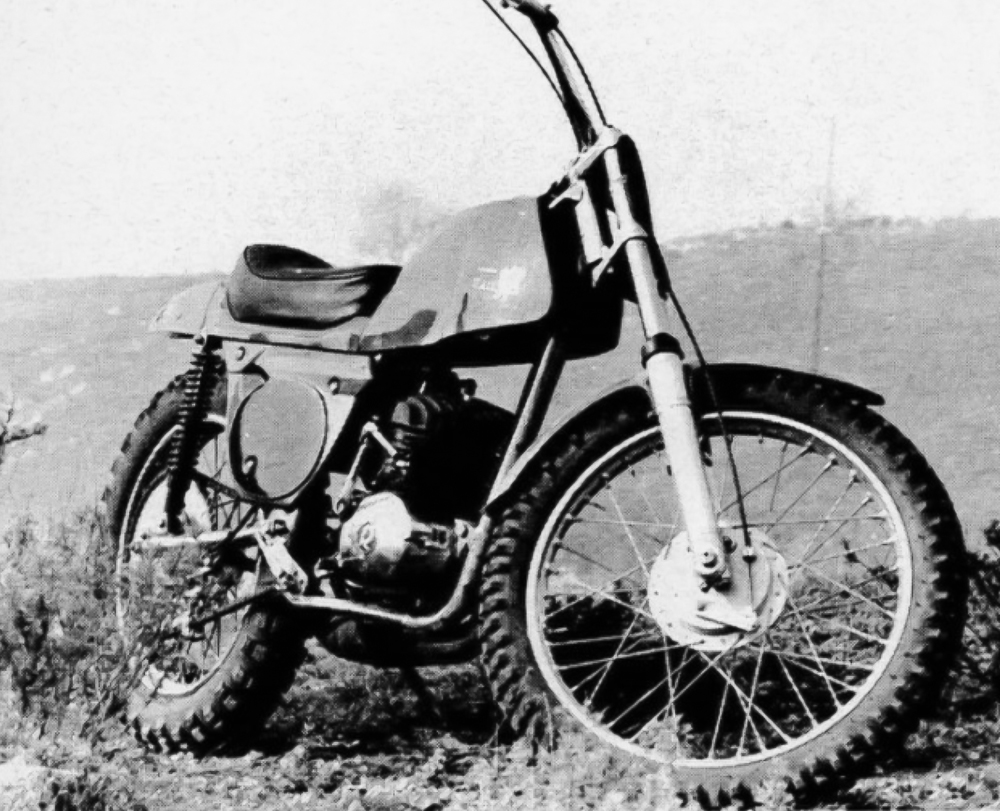
In the early 1970s, brothers Don and Derek Rickman produced a motocross machine that was as beautiful as it was effective. Fiberglass components and polished engine cases were housed in an eye-popping nickel-plated frame, with a bright, baby red fuel tank that didn’t need bold, new graphics to let the competition know that this was a serious race machine.
The June 29th, 1971, issue of Cycle News included a test of the Rickman 250 MX machine, though the word “test” is something of an understatement here, because CN staffer Tom Culp kept this loaner bike for a whopping four months, during which time he ran the Rickman through the gauntlet.
“I was able,” Culp wrote, “to enter the Rickman in such events as the Elsinore Grand Prix, Chaparral Enduro, Victors Hare & Hound, as well as a couple of motocross events.”
Just what exactly, might a Bad Bunny fan ask, is a Rickman? Well, motocross has known plenty of brother acts, like Jett and Hunter Lawrence, Gary and DeWayne Jones, Bob and Billy Grossi, Jim and Ron Pomeroy and others. In the 1960s, British brothers Derek and Don Rickman were two of Great Britain’s top motocross riders, even representing the Union Jack in the Motocross des Nations in 1963-64. The Rickman brothers understood that lighter was going to be better, so they began modifying BSA singles. The brothers were lopping off as much as 40 pounds from the company’s standard machines with their new designs, so the American distributor of the company contracted with them to produce a two-stroke-engined racer for U.S. motocross. In the U.S., it was a sport on the move, and lightweight two-stroke engines were in strong demand.
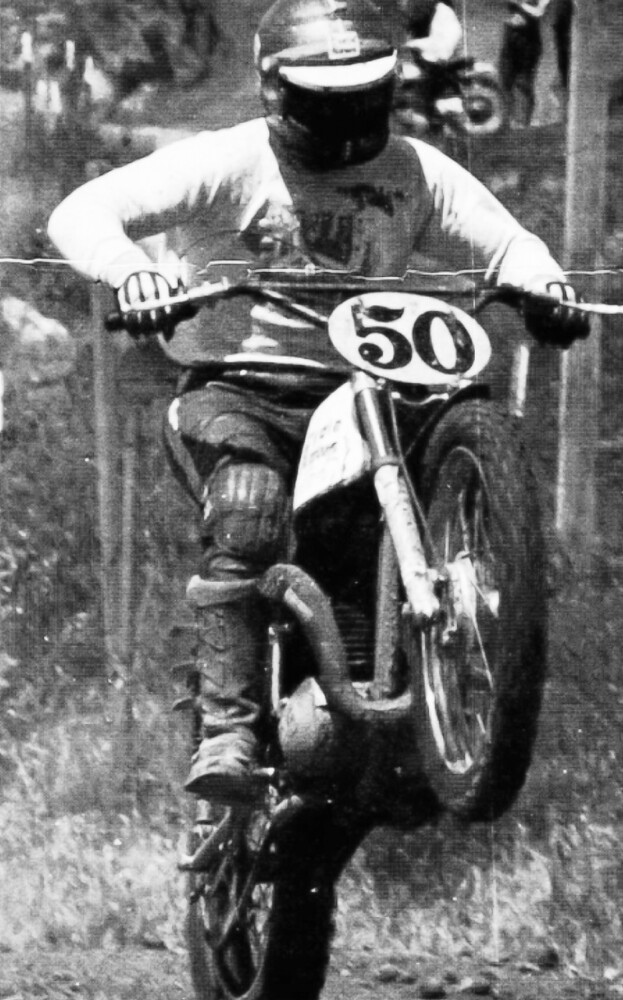
The Rickman brothers focused on the chassis, electing to build around proven powerplants from companies like Zundapp and Montesa. The Cycle News’ test model featured the latter and the Montesa engine was competitive in its first outing, the famous Elsinore Grand Prix. Street, dirt and sand, uphills and fire roads—this event tested rider and machine.
“The light front end allowed easy, fast tracking through deep sand,” Culp wrote. “The machine shot up the steep hill with no stress. I found the street sections very fast, and the handling, plus superior brakes, allowed me to go farther into the corners. With the large tank, I went five laps before gassing, although I could’ve gone at least two more.”
The Rickman finished the event strong, with a couple of exceptions. Motocross bikes of that era frequently sported down-swept expansion chambers, and during the race, the Rickman’s pipe “took a beating from rocks.” The brakes faded after a few laps, and the tester wished for “a flip-up gas cap to speed up pit stops.” Otherwise, the Rickman was a winner, even if “my finish doesn’t show the real potential of the machine.”
Up next was the Chaparral Grand Prix, which seemed to be more like a desert race, though there were also some rocky sections to contend with. The Rickman’s lack of spring-loaded pegs was the only complaint registered here, if you don’t count the down pipe, which again endured some abuse.
At the Victors Hare & Hound, the Rickman took a rock to the cases, which actually damaged the clutch mechanism. The British/Spanish machine would now occasionally slip the clutch, an issue that was resolved before Cycle News took the bike to the kind of racing it was truly designed for—motocross.
This was a time in motorcycling when bolt-on parts from flashy computer pages were science fiction imaginings. Many were the motorcycles that were made better with a hacksaw, a vice and an imagination. The Rickman’s downpipe was now beaten flat, puffing out exhaust notes like Tom Waits with a mouthful of popcorn. The Cycle News’ crew took matters into their own hands and drove straight to expansion chamber guru Darryl Bassani.
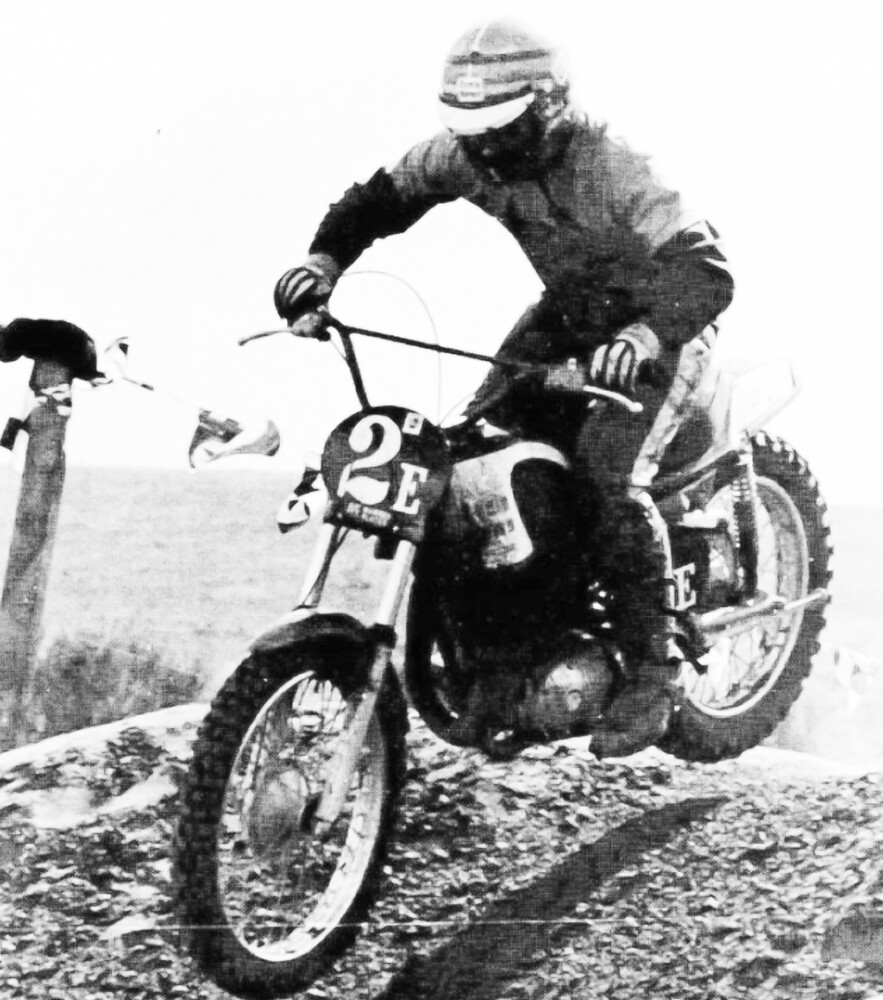
“Nine hours later, we completed a pipe that snakes its way around the cylinder, over the carb and out the other side…Darryl did a fantastic job of fitting it through and around some very tight spaces.”
On the motocross track (Osteen’s MX Park, owned by Major League Baseball pitcher Claude Osteen), the Rickman 250 MX was now where it belonged, “spot on,” wrote Culp, “for motocross.” The Girling shocks were “adequate,” which was the highest compliment that could be given to most any motocross shock of that era. The front forks, meanwhile, “worked well in all events using all six and three-quarters inches of travel.”
The tiny Rickman factory in New Milton, England, was agile and could pivot quickly, so the brothers speedily revised their motorcycles. “The…entire Rickman line will change as necessary, not year by year as others do.” Cycle News picked up its test machine in February 1971. By the end of summer, the company displayed a new and improved Rickman. The brothers had widened the rear hub, gusseted the frame at key points, added one gear to the four-speed box, and, best of all, fitted a high exhaust pipe.
The Rickman 250 was a competitive machine, delivering 34 horsepower to carry its waif-like 203-pound carriage. At $1149, it was slightly higher-priced than the competition, but its quality components and stunning good looks have stood the test of time, making well-preserved Rickmans pricey mounts in today’s vintage motocross market. Fast and pretty, the shiny-framed racer is as seductive as any motorcycle, regardless of its purpose, ever made. Here’s to you, Mr. (and Mr.) Rickman! CN
Click here to read the Archives Column in the Cycle News Digital Edition Magazine.
Subscribe to six decades of Cycle News Archive issues