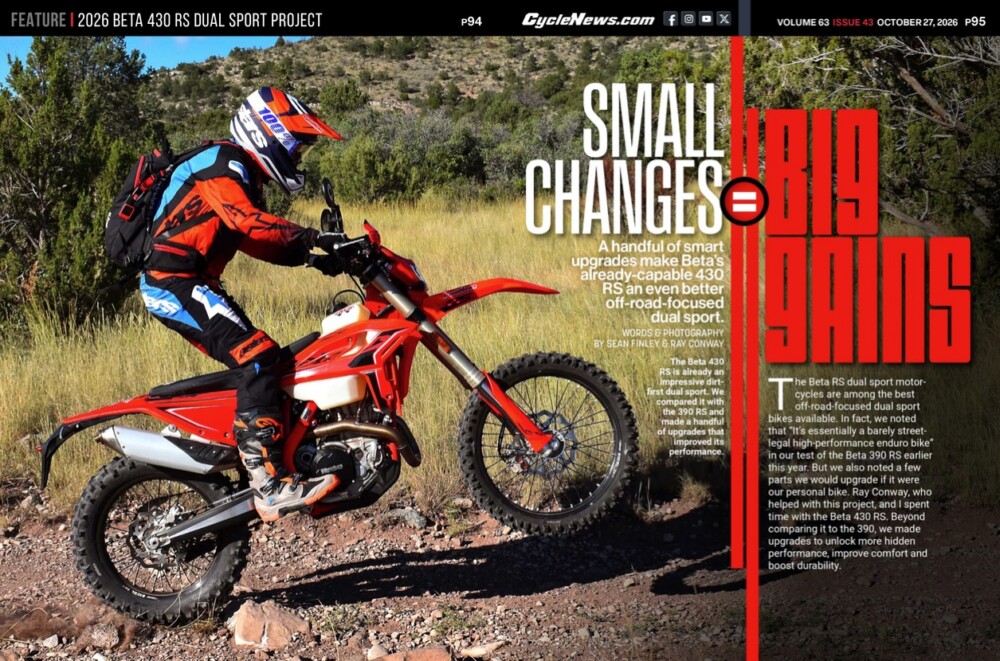
The Beta RS dual sport motorcycles are among the best off-road-focused dual sport bikes available. In fact, we noted that “It’s essentially a barely street-legal high-performance enduro bike” in our test of the Beta 390 RS earlier this year (https://www.cyclenews.com/2026/06/article/2026-beta-390-rs-review/). But we also noted a few parts we would upgrade if it were our personal bike. Ray Conway, who helped with this project, and I spent time with the Beta 430 RS. Beyond comparing it to the 390, we made upgrades to unlock more hidden performance, improve comfort and boost durability.
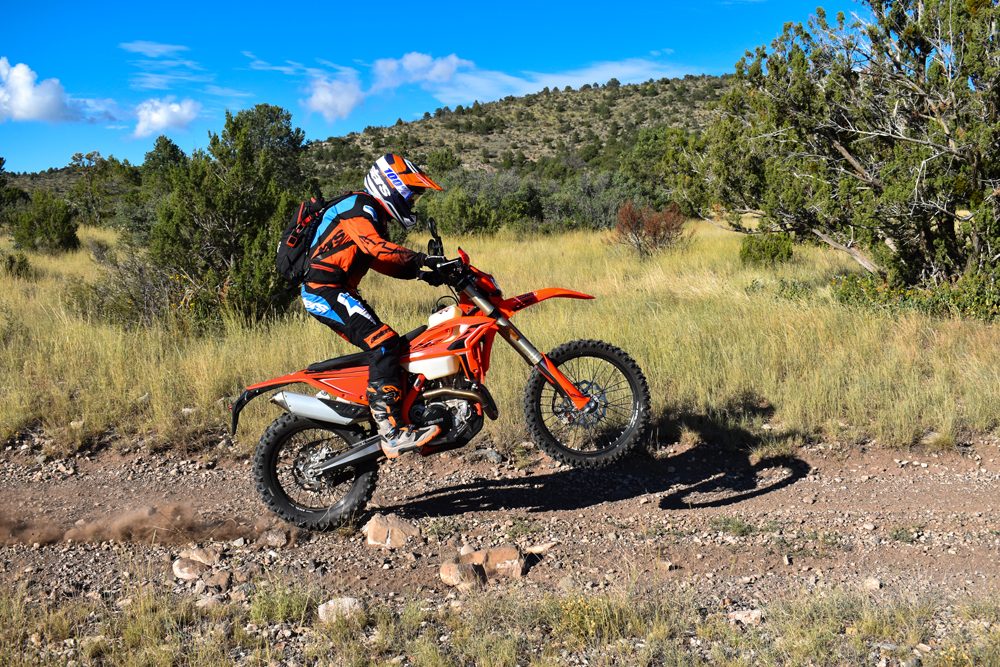
Words & Photography by Sean Finley & Ray Conway
Beta 430 RS vs. 390 RS
First off, these two motorcycles are very similar. Beta offers four RS dual sport models: 350, 390, 430 and 500. All are close cousins of Beta’s RR X-Pro racing “single-track” off-road bikes. In Beta’s words, “The 350 and 390 are the most nimble-feeling and offer a lightweight feel. The 350 has an engine that likes to be revved up a little more, while the 390 offers additional torque. The 430 has the same ‘rev’ feel as the 350 but with more overall horsepower and torque. The 500 [which Beta says is its best-selling RS model] offers riders a very user-friendly engine with plenty of torque and a lighter-than-expected riding feel.” The 430 RS MSRP is $12,590 versus $12,490 for the 390 RS.
On paper, the 430 is more like the 500 (which is 477.5cc). Both have a 60.8mm stroke, compared to the 390’s 63.4mm stroke. In theory, the more oversquare (95mm x 60.8mm for the 430 versus 88mm x 63.4mm for the 390) 430 should rev more freely. We mostly rode the 390 at elevations close to sea level, while we mostly rode the 430 at around 5200 feet, and both bikes performed well, which is a good endorsement of the mapping. The 430 does have more overall power, which you can feel on the trail. Interestingly, the map and traction control buttons made very little difference on the 390 but were very noticeable on the 430. The Rain setting and the traction-control button both mellow out power delivery, and with both on, it’s difficult to spin the rear wheel. Depending on your experience and taste, it is nice to have the adjustability.
Cycle News editor Kit Palmer, who penned the 390 RS test, noted that finding neutral was sometimes a bit challenging and that the gearing was a little tall for tight trails. We found the same with the 430 but left the stock gearing to maintain decent highway and dirt-road performance.
All four RS models utilize titanium intake and exhaust valves, twin oil pumps with separate compartments for the engine and transmission, a six-speed gearbox and a wet diaphragm-style clutch. Another nice touch is the radiator cooling fan, which helps prevent boil-overs. A 42mm throttle body with dual injectors is also found on all four RS variations.
Besides the small difference in the motor, the 430 and 390 RS models are essentially identical. Highlights include a molybdenum steel/double-cradle frame, fully adjustable 48mm Sachs open-cartridge forks and an aluminum body shock with high- and low-speed compression, rebound and preload adjustability. Nissin brakes are utilized with 260mm front and 240mm rear rotors. For maintenance, a quick-access air filter and O-ring chain are standard.
Other nice features on the full Beta RS dual sport line include a Trail Tech Voyager GPS unit, which costs around $700 separately. The RS models also come with flag-type handguards and foldable mirrors, which are better than most stock units. Those last two items made the short list for upgrades, as you will see below.
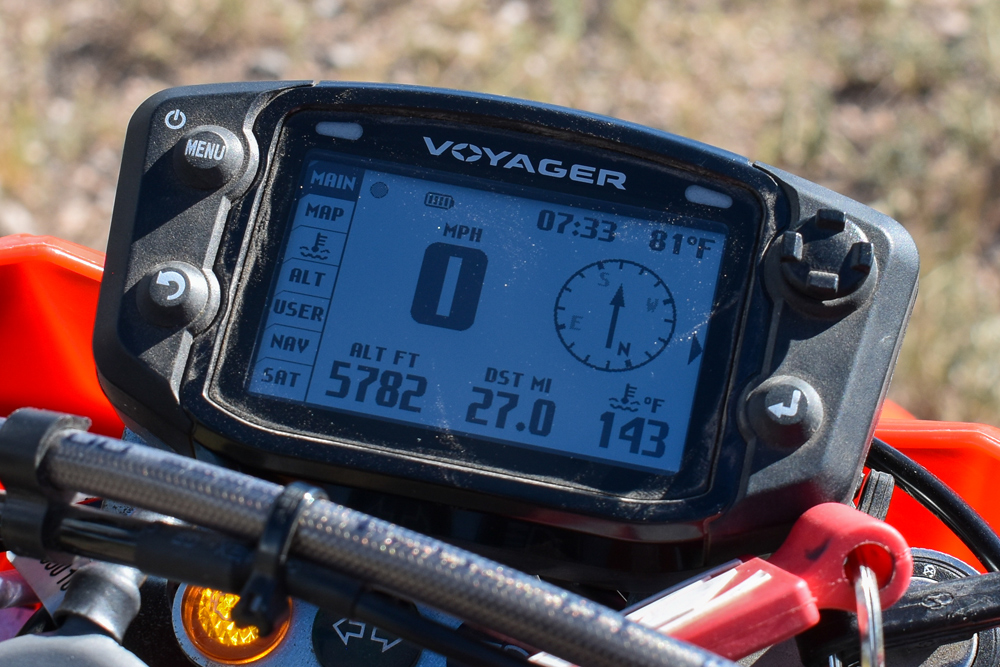
For this story, we chose to leave the motor completely stock since we were happy with the performance, but there is more power to be gained if you want to turn this into a focused off-road bike. Almost any engine modifications will likely result in noncompliance with emissions laws, so just be sure that is not an issue for your intended use. We also left the suspension stock for now, as it also performs very well for a dual sport bike. The settings are good for spirited trail riding, but aggressive riders will want to do some custom tuning.
UPGRADES | 2026 Beta 430 RS Dual Sport Project
As good as the RS dual sport bikes are, we still found things that we would want to improve during our RS 390 test, and those same items leave room for improvement on the 430 (and all the RS models). We highlight each of those and our solutions:
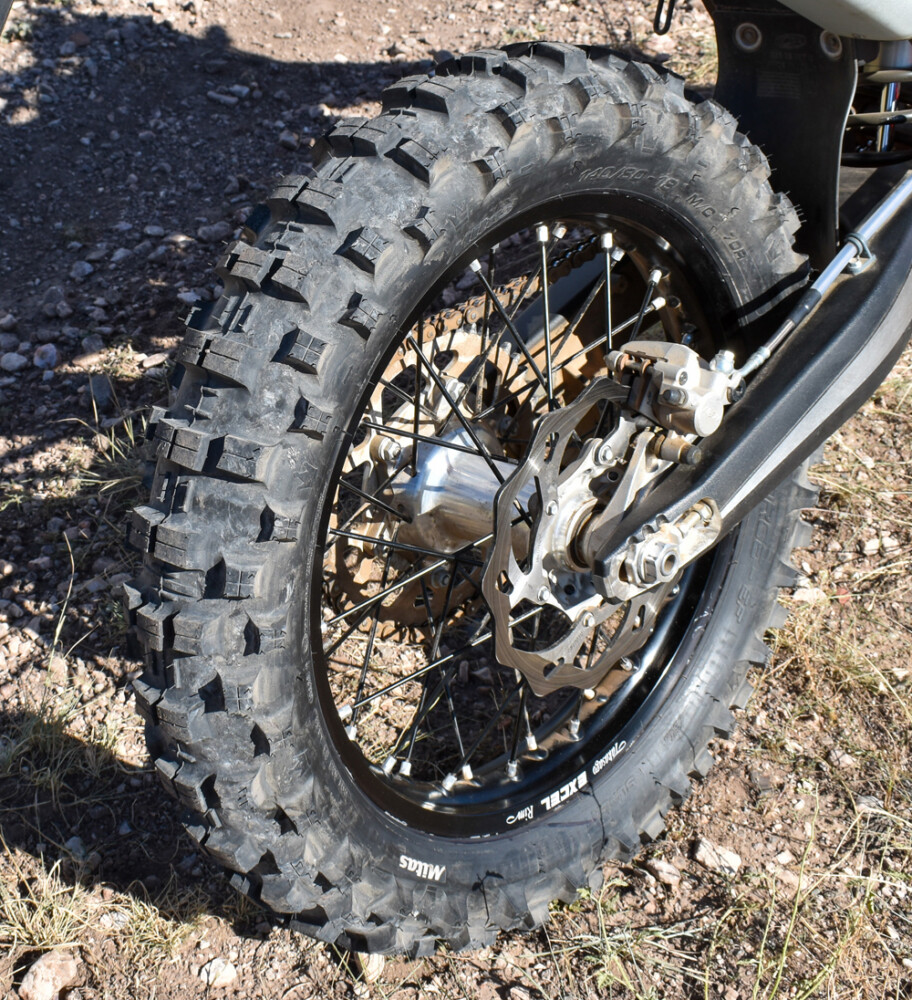
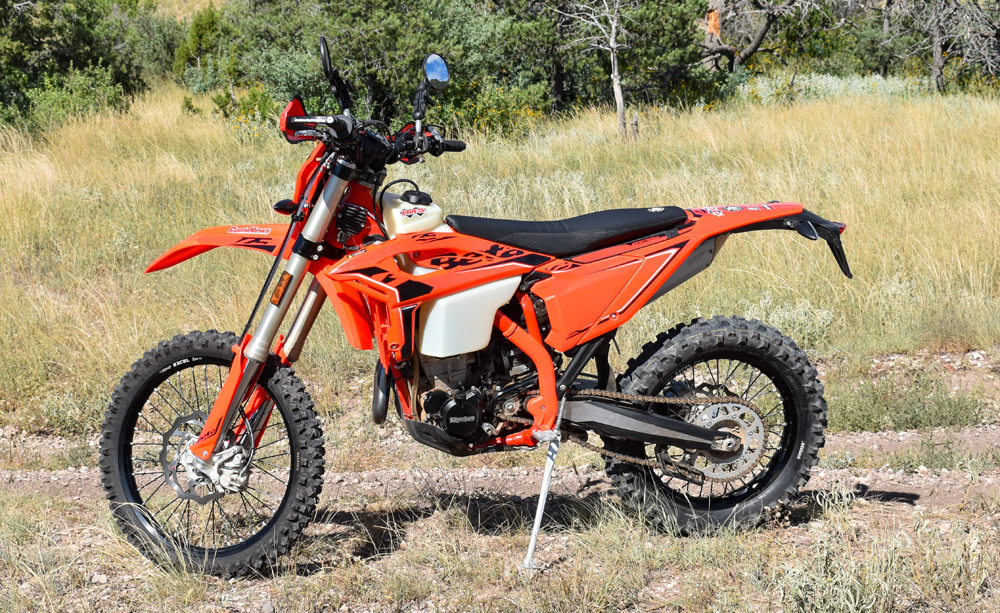
Tires: In our 390 RS review, Palmer noted, “I want to say I don’t like the new eco-friendly DOT Mitas Enduro Trail XT+ tires, but they are an improvement on pavement and better in the dirt than I expected (though not great).” We stuck with Mitas and used the Terra Force-EF Super version (yellow stripe) front and rear for good performance and longevity. For size, we used a 90/90-21 front and 140/80-18 rear. These were a big improvement over the ADV-type stock tires, which were mostly used to meet the ride-by sound test and be 50-state street legal. These tires are DOT-legal but perform very well off-road. They also proved to be very durable.
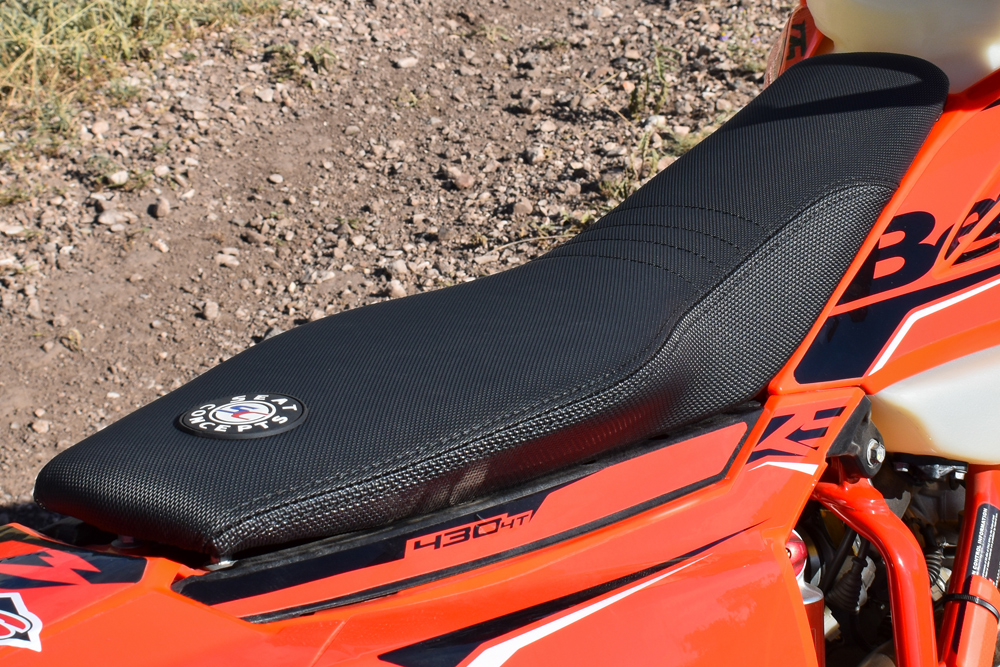
Seat: Palmer said, “It’s also on the pavement where you really notice the Beta’s hard-as-a-board seat; you don’t notice that as much on the dirt, where you spend a lot of your time standing on the pegs, but you will on the street.” We chose to use a Seat Concepts Comfort seat. This is a smart upgrade on just about any off-road, dual sport or ADV bike and cured the complaints for long highway miles. You will have a lot more enjoyable rides with this option.
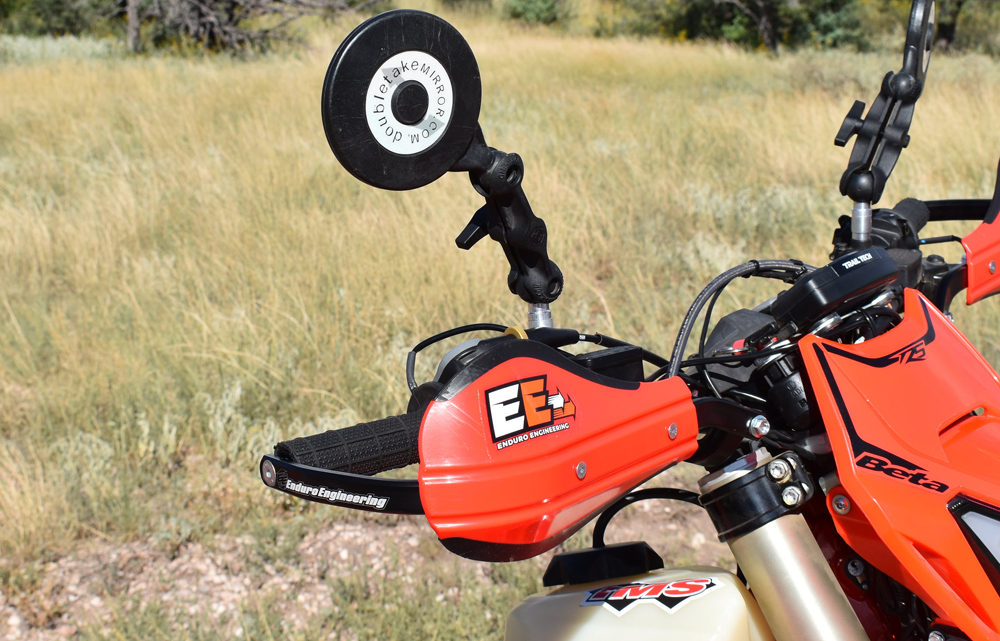
Mirrors: Palmer said, “The fold-down mirrors don’t hold their position very well at speed, move around a lot and seem a bit flimsy, but they do fold down out of the way, so I’ll give Beta a pass on them.” Even though the Beta mirrors are better than most stock dual sport mirrors, we went with the proven Doubletake Dual Sport Mirrors. They are virtually indestructible, infinitely adjustable, and can be truly folded out of the way very easily.
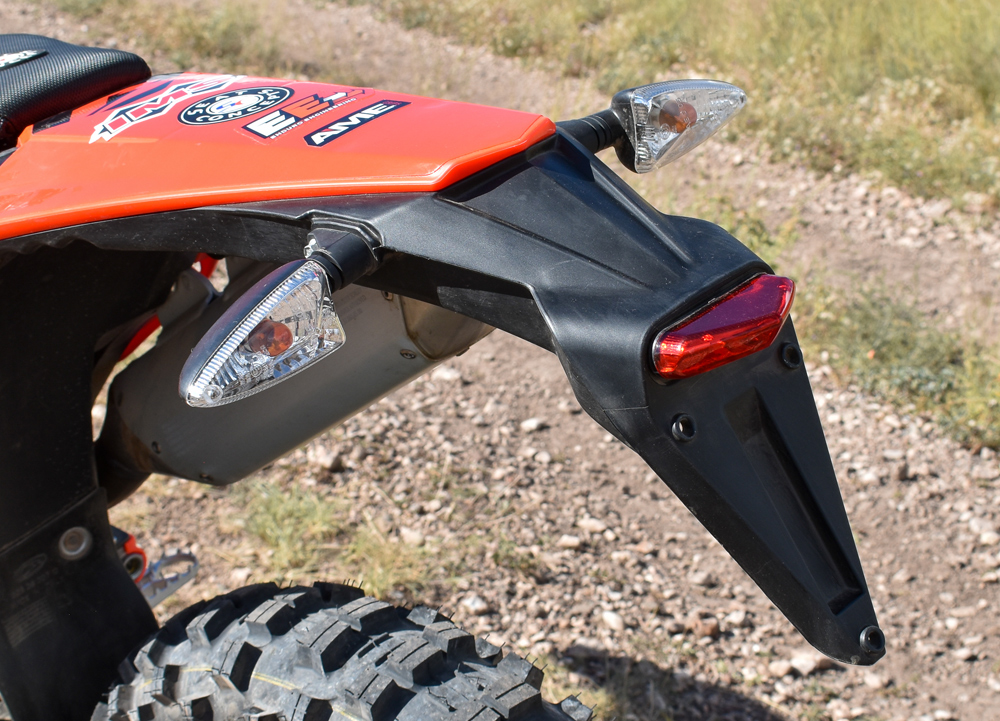
Tail Section & Blinkers: In our 390 RS review, Palmer had one rear blinker and the entire taillight/license plate assembly break off after just a few rides, but with no crashes. Ray and I got creative with this fix. We removed the large license-plate holder and taillight, leaving the tail section that comes standard on the Beta off-road models. We used the taillight from one of those bikes, which took a lot of weight off the rear tail section and reduced flexing. The license plate can be easily mounted to the off-road tail section. The turn signals have held up so far, possibly because they flop around less on the rear fender. We also noticed the rear turn signals stick out much less than the stock front signals, so we got another set to mount on the front to make them less vulnerable to breaking.
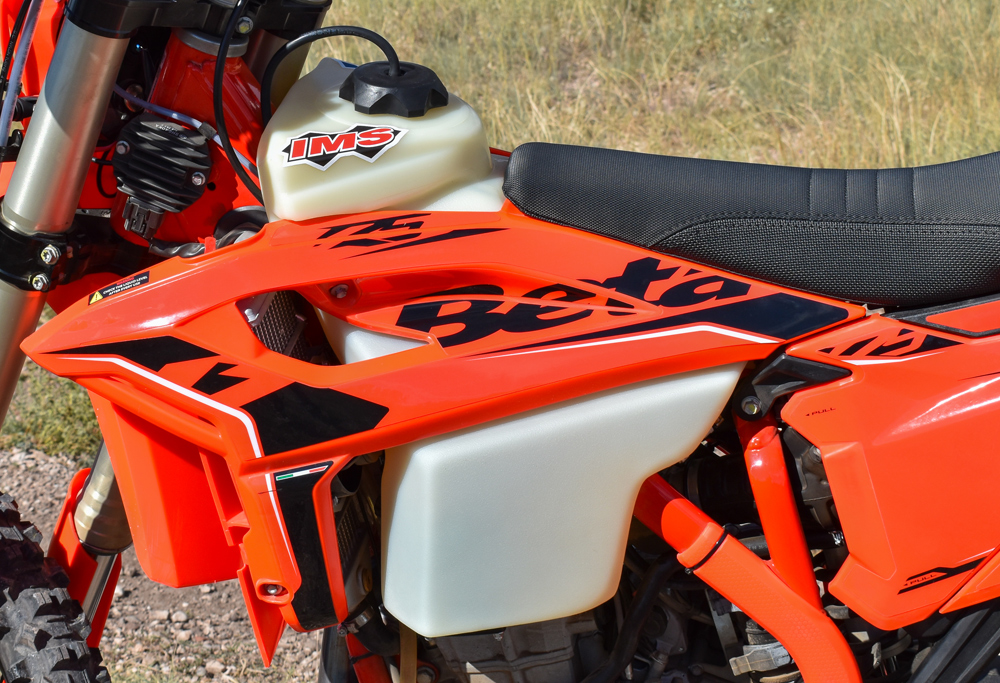
Fuel Range: Palmer said of the 390, “The range from the 2.4-gallon gas tank isn’t spectacular but seems reasonable.” He also noted the translucent tank, which helps you see how much fuel you have left, but Ray and I wanted more range, so we added an IMS 3.5-gallon tank. This adds about 50 miles of range and doesn’t even affect riding comfort. IMS also offers a 5.2-gallon Rally tank if you want to get way off the grid.
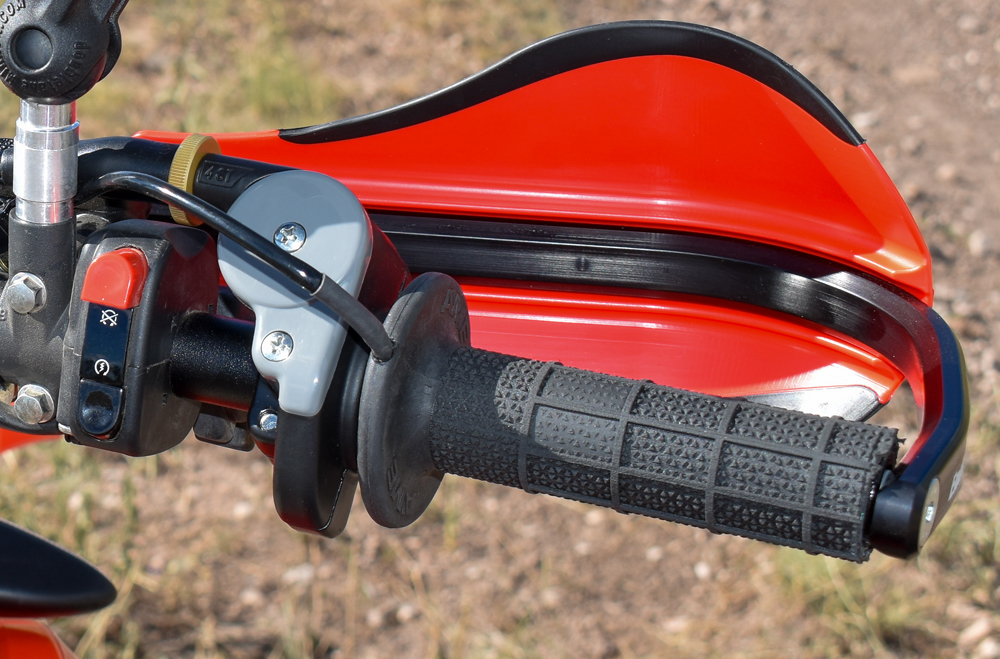
Comfort & Protection: We added Enduro Engineering Full Wrap Handguards with EVO 2 Roost Deflectors. These provide more protection for your controls and hands than the stock flag-type handguards. We also added A’ME heated grips. These are an easy add-on that is welcome in cold conditions. They have nine temperature levels that you can easily change with a handlebar-mounted button. The Beta RS models have a 200-watt stator, so that is plenty for the heated grips.
Do It All Even Better | 2026 Beta 430 RS Dual Sport Project
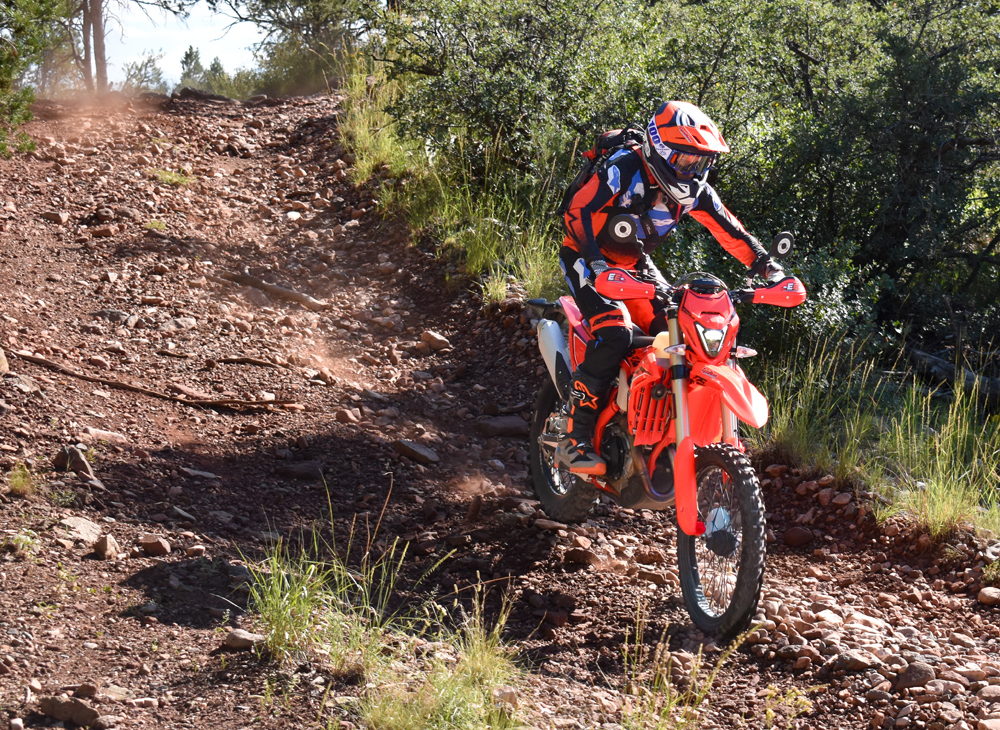
The Beta RS line is hard to beat if you want a dual sport motorcycle focused on off-road performance. The hardest decision is which one best fits your riding style and terrain. Since Ray and I live at around 5200 feet of elevation, the 430 is the right option between the two RS models we got to ride this year. And to make it even better, we focused on upgrading the items that needed improvement. Sure, we could spend more on engine and suspension performance as well as a few more protection items, but this bike is now a solid off-road-focused dual sport bike.CN
2026 Beta 430 RS Dual Sport Project Parts List:
| Parts | MSRP | Website |
| Mitas Terra Force-EF Super version (yellow stripe) tires | $250.00 (pair) | www.mitas-moto.com/en-us |
| Doubletake Dual Sport Mirrors | $145.00 | www.doubletakemirror.com |
| Seat Concepts Comfort Seat | $359.99 | www.seatconcepts.com |
| IMS 3.5-Gallon Fuel Tank | $489.99 | www.imsproducts.com |
| Stock Beta Taillight | $72.94 | www.betausa.com |
| Stock Beta Turn Signals | $88.66 (pair) | www.betausa.com |
| Enduro Engineering Handguards | $93.90 | www.enduroeng.com |
| A’ME Full Waffle Heated Grips | $160.95 | www.amegrips.com |
| Total | $1661.43 |
VIDEO | 2026 Beta 430 RS | Long Term Ride Review