Cycle News Archives
COLUMN
Montesa’s Cappra 125 VA of the mid-’70s was a “little jewel of a motocross machine.”
By Kent Taylor
A short list of the cool things that we miss most from 1970s motocross would have to include open-face helmets, sweet-smelling Castrol R pre-mix, trophy girls and 125cc race bikes. The helmets just looked right, especially with Carrera goggles and a Jofa face mask, leaving our noses exposed to catch a whiff of the enticing aroma of Castrol R, the vegetable oil-based product that burned a scent sweeter than anything Bath & Body Works ever contrived. Trophy girls, well, just because, and 125cc motocross bikes because they were fun to ride and provided a great step-up racer for kids graduating from the 80cc class.
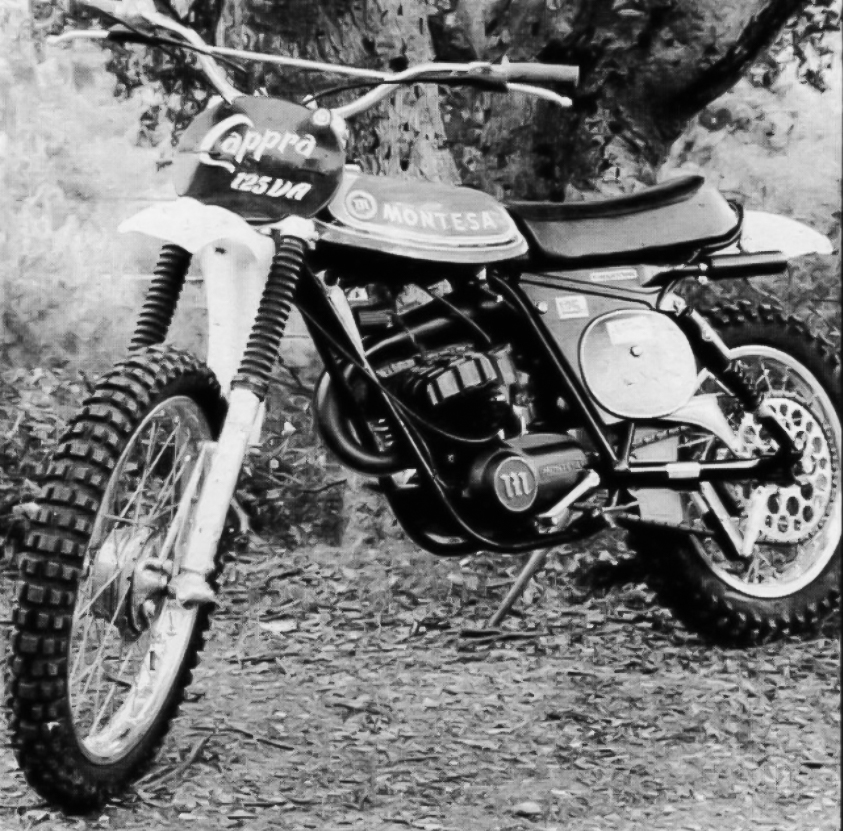
European factories like Husqvarna, DKW, Penton and Bultaco were among the early players in the small-bore game, but by the mid-’70s, the Japanese takeover was pretty much complete. Each of the Big Four had a competitive 125cc racer, and their bikes filled the starting lines at both local races and AMA Nationals. But some companies, like the Spanish Montesa brand, were still trying to play ball with Japan. In the April 20 issue, way back in 1976, Cycle News tested Montesa’s smallest racer, the Cappra 125 VA, and found it to be a competitive machine.
“The 125 Montesa,” CN wrote, “represents a basic concept in a very pure form: a racing machine should handle well, and everything else is secondary. It is a concept that few manufacturers have really taken to heart. Montesa has embodied that elusive quality in their new 125.”
How did the Montesa 125 garner such lofty praise from the hard-nosed CN crew? For starters, Montesa used a chrome-moly steel frame. Anybody who watched television in the 1970s knew that “soft Corinthian leather” seats in the Chrysler Cordoba were more luxurious than regular cowhide. Most riders back then couldn’t tell you what chrome-moly was, but it sure sounded tougher than “mild steel.” Betor forks provided eight inches of travel up front, while a pair of Telesco shocks sprung for 6.5 inches at the back of the bike.
In the 1970s, skinny was in, and the Montesa was one narrow MX bike. Sit on the Cappra 125 (or the 250 or even the 360), and your knees would almost touch each other. The 1.7-gallon fuel tank seemed a little longer than others, which might help explain the slender feeling. Oddly, the little Montesa weighed in at 209 pounds, nearly 20 pounds heavier than the Suzuki RM125A of that same year. Even drilling out the rear sprocket with every bit in the garage couldn’t help the Montesa when it sheepishly stepped on the scale.
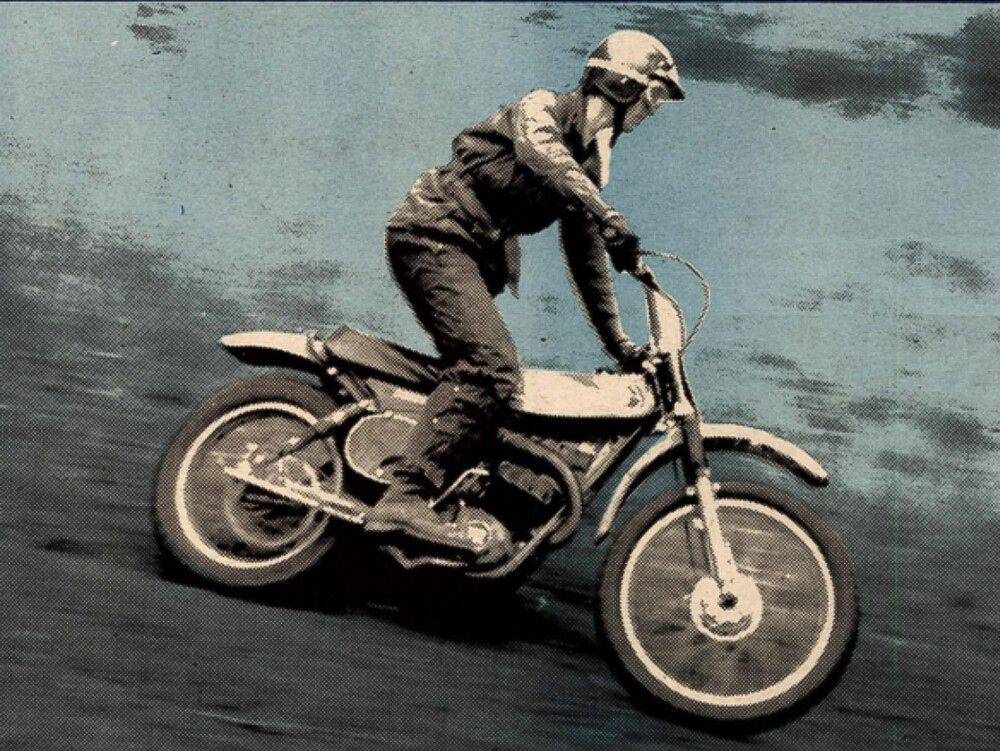
A great-handling motorcycle that is slow isn’t going to get you anywhere near that trophy girl, but the Montesa was a player with its 21 horsepower. It did have a wide powerband, according to the report, about twice as wide as the Honda CR125. Shifting gears here, the transmission was good, with the only complaint being a pretty big gap between first and second. A 125cc rider will spend a lot of time in both of those gears, so this was a definite detriment.
Cycle News reported that only 50 of the 125 VA models would come into the U.S., and most of those were supplied to dealers. Montesa wanted feedback from them, hoping to make suggested changes and incorporate them into next year’s model. It was a pretty good little racer in 1976, so 1977 should’ve been the year of the Montesa VA125 Cappra.
Which, of course, it wasn’t. Yamaha revamped their YZ125 and made it great, second only to the also-revamped Suzuki RM125B. Both bikes were available at a variety of local dealerships. Finding a Montesa dealer was like looking for a good head shop: you had to know what you wanted and who could get it for you.
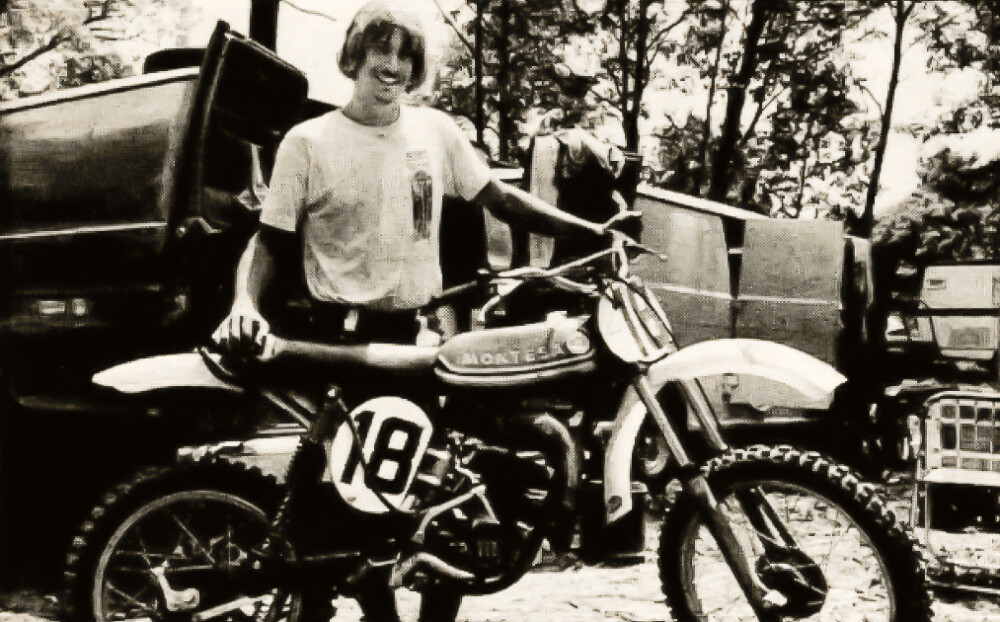
The company actually made a strong run at the AMA Nationals that season, hiring the talented Mickey Kessler to pilot the bikes. Montesa’s top-20 placing in the 125cc class is recorded at Midland, Michigan, where Mickey turned in an impressive seventh place in the first moto. He would have other good rides that year on their bigger bikes, too. Montesa pretty much disappeared from the MX scene and would eventually partner with Honda, in the same way a school of mackerel partners with the smiling jaws of a Great White Shark, and today they make trials bikes. Good ones, too. Viva Montesa!CN
Click here to read the Archives Column in the Cycle News Digital Edition Magazine.
Subscribe to more than six decades of Cycle News Archive issues