Cycle News Archives
COLUMN
Death of the Superbike?
By Kent Taylor
It is July 20, 1976, and Cycle News editor Lane Campbell is understandably in a bad mood. After all, the chart-topping song of the week is “Afternoon Delight,” the Ford Mustang has morphed into a Pinto, and the leisure suit is high fashion. When it’s right, it’s right, but all of this was all wrong.
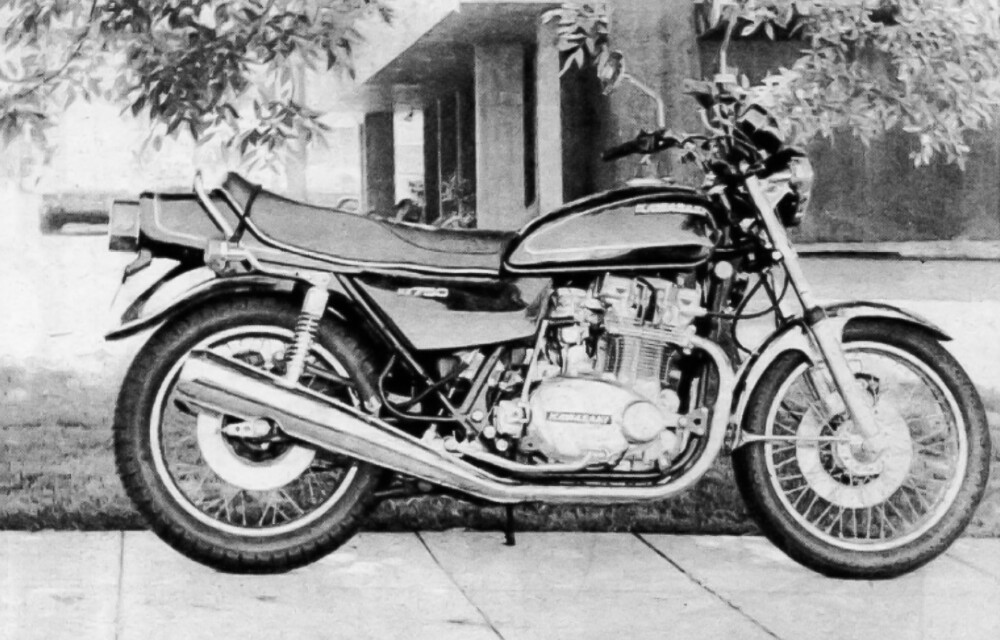
But what really had Lane and contributor Gino Sheridan miffed was the motorcycle they were charged with testing that week, the Kawasaki KZ750. The Kawi was a good looker and handled well, so what’s the problem? Surely, the company that even the unwashed, non-motorcycling community recognizes as the manufacturer of fast bikes wouldn’t turn out a two-wheeled dud?
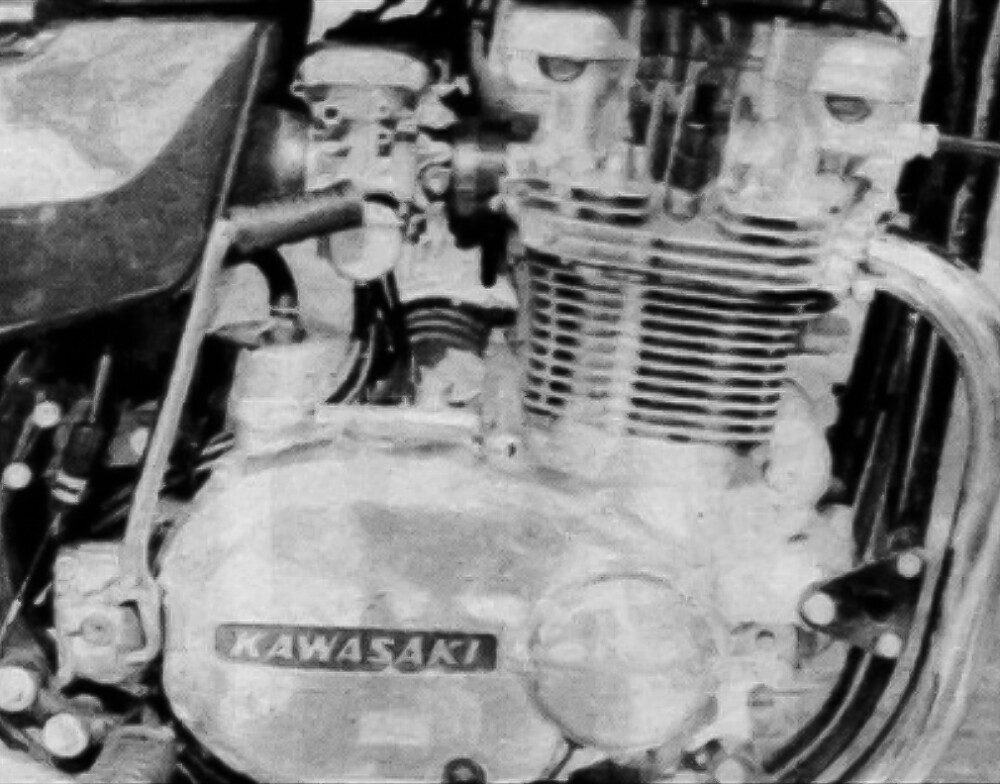
“On first impressions,” Campbell wrote, “reality crunched any great expectations rather quickly. The engine has fair to decent midrange, but power just fades away as the needle climbs toward the redline and the engine begins to sound like it’s ready to burst asunder. The power curve is a natural consequence of a big engine with a near-terminal case of asthma; tiny carbs combined with huge, heavy (but quiet) chambered mufflers.”
Sheridan gave the bike props for “an enormous amount of low-end torque.” That good feeling didn’t last but a few more sentences, as he quickly pointed out that “as one winds up the engine in the lower gears, its torque curve drops off drastically, with a feeling somewhat like a slipping clutch at high engine speed.”
Yep. Kawasaki, the company that unleashed wild stallions like the two-stroke 500cc Mach III and a thoroughbred like the Z1 903cc, had turned out a gelding, with this emasculated KZ lumbering out of the gate. “Basically,” CN wrote, “the KZ750 should be a performer…the addition of twin overhead camshafts combined with huge bore and stroke should produce a much wider usable power curve. The KZ750 does just that—but quietly and conservatively—this being a trend among motorcycle manufacturers—to detune the superbikes.”
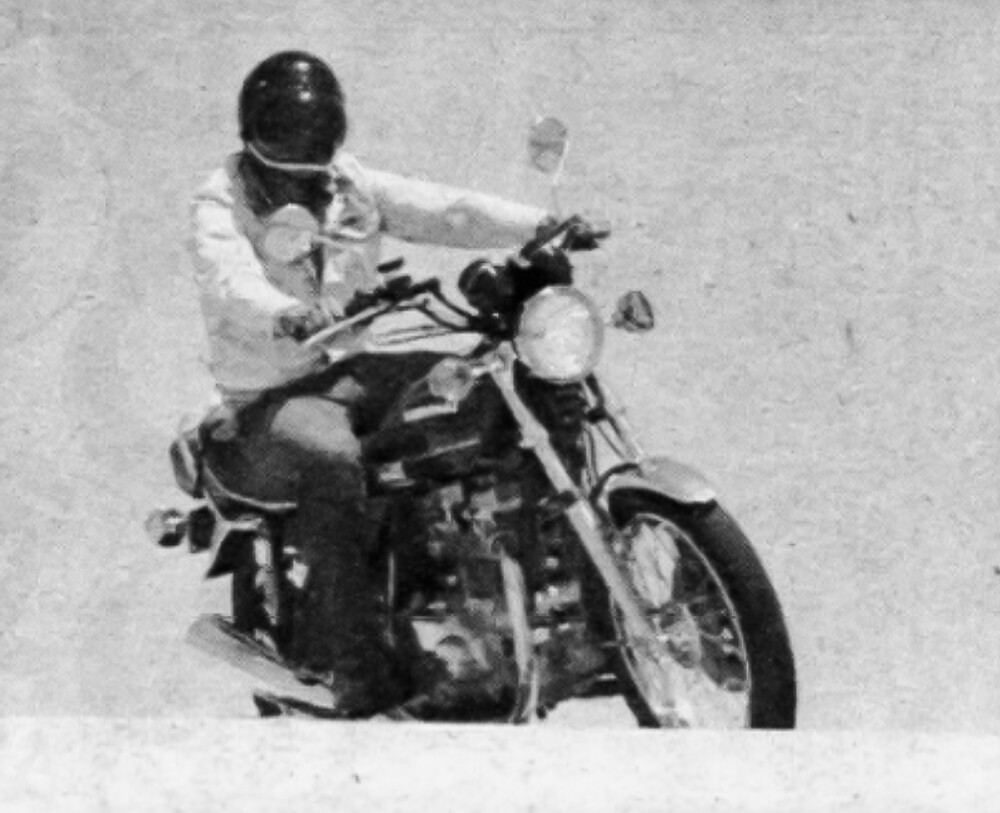
“Everybody’s doing it,” CN had written in another test of another formerly sporty motorcycle, the Suzuki GT250. “Suddenly, performance doesn’t really matter, and most of the bikes coming out of Japan are down on performance and up in pleasantness.” That this particular motorcycle wasn’t a skyrocket in flight wasn’t the only reason that the two staffers weren’t delighted. Rather, they were lamenting what appeared to be the “demise of the superbike.”
The reasons for the slowdown were many, among them being that Americans hadn’t forgotten the gas crisis of the early ’70s and performance was now taking a back seat to fuel economy. Additionally, product liability lawsuits were beginning to rear their ugly heads; just as the Ford Motor Company turned its mighty Mustang into a namby-pamby, so too were motorcycle companies beginning to provide consumers with tamer rides. Kawasaki had recently released the KZ400, another four-stroke twin that shared more DNA with a Honda CB350 than it did with its own speedy Kawasaki brethren. The 400 was not much of a performer, and the KZ750 seemed to be its nerdy big brother. The CN crew’s criticism of the bike went even beyond its lack of firepower, mocking the nanny-like nature of the many instruction decals. “Enough instruction decals,” CN wrote, “for a private aircraft.”
In the end, the two writers offered their eulogy for high-performance motorcycles. “The bikes that Gino and I remember are probably gone for all time. The KZ750 was built to cope with a legal/regulatory environment that is almost sickening in its implications.” They even accused Kawasaki of mounting its footpegs “deliberately low enough to drag, to discourage aggressive riding.”
Alas, poor Yorick, it was much ado about nothing. Within a few years, Katanas and GSX-Rs, Ninjas and Hurricanes, would appear on the scene. Today, Ducati’s Panigale V4 S is one of several models surpassing 200 horsepower, even in stock form. Rumors of the death of the superbike were greatly exaggerated, and today, nearly every manufacturer offers a model that would easily outperform these ’70s machines. With a twist of the wrist, a 2026 rider can easily grab some afternoon delight.CN
Click here to read the Archives Column in the Cycle News Digital Edition Magazine.
Subscribe to more than six decades of Cycle News Archive issues