Cycle News Archives
COLUMN
When two-stroke play bikes were king, Honda went four-stroke.
By Kent Taylor
Honda is one of the few motorcycle manufacturers that does not carry a single two-stroke model in its lineup. As of 2007, every Honda motorcycle imported into the U.S. is powered by a four-stroke engine, a fact that may not seem so strange to veteran cycle enthusiasts, the folks who can be overheard talking about things like AM radio, muscle cars and genuine rock music. These are the guys who remember when Honda was a company that did not, uh, carry a single two-stroke model in its lineup.
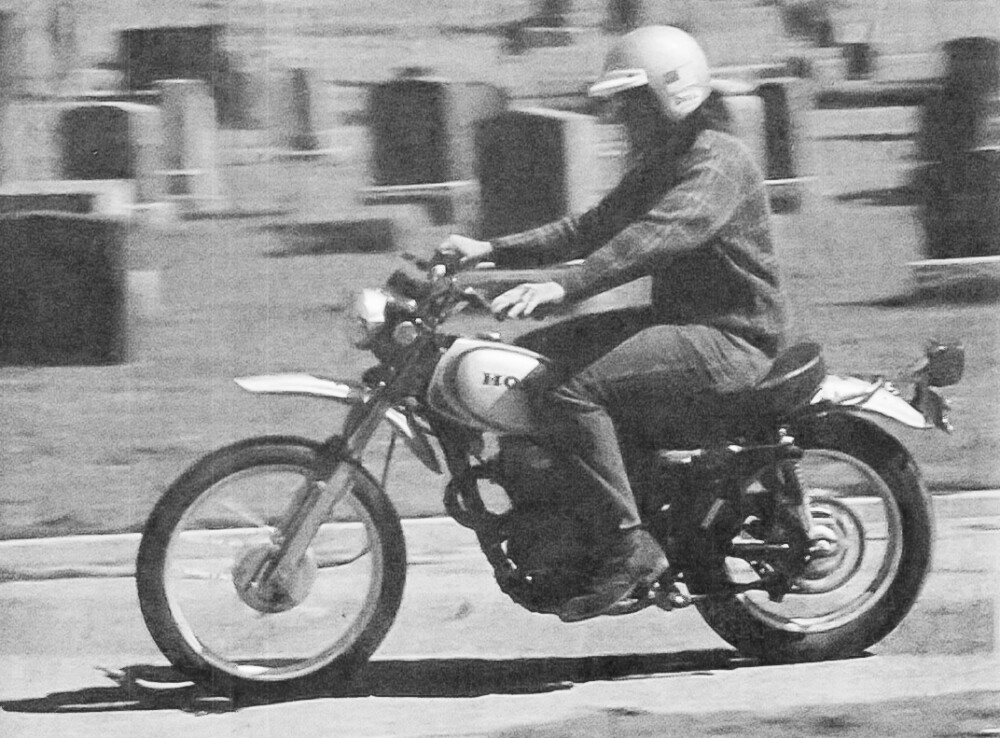
Nope. In the early 1970s, there were Kawasaki Bighorns, Suzuki Savages and Yamaha AT-1s (apparently, all of the macho nicknames were already spoken for), and they were all two-strokes, ringin’ a dingin’ on the streets and trails. That throaty sound you hear? That’s the Honda XL250, the bike Cycle News put to the test in their March 14, 1972 issue. What did the CN crew think of this motorcycle, which was a very different approach to the same market segment?
“Fun and easy to ride,” “trouble-free,” and “outstanding” were just some of the glowing terms the staff used to describe the XL250. Mind you, this was a time when superlatives were not bandied about during magazine road tests. In most reviews, vibration would work loose vital nuts and bolts. Fragile components were prone to breakage. Oily gremlins threatened every two-stroke ride, fouling plugs if owners ever let their bikes idle, forcing riders to carry a spare (or two) in their toolkits. (A toolkit, by the way, was something that every motorcycle was equipped with back in the good old days. A few wrenches, screwdrivers, a pair of pliers and a spark plug socket were all tightly bundled in a plastic pouch that could be found under the seat or behind a side cover. Seldom used, but a lifesaver when needed, these rudimentary tool kits now lie at rest in motorcycle boneyards, alongside centerstands, carburetors and drum brakes.)
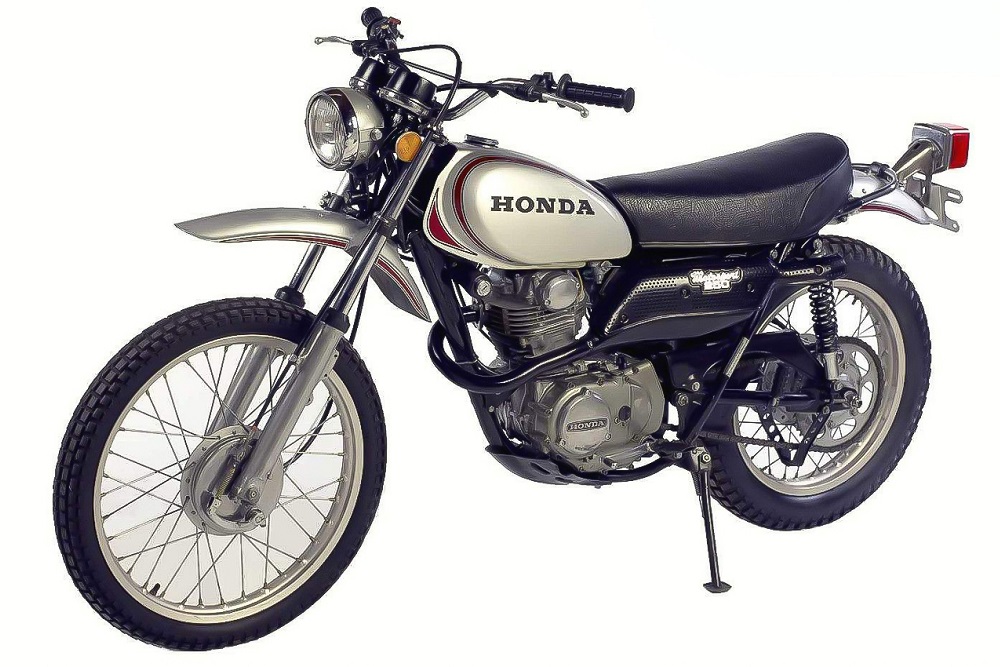
But the Honda was good with one plug, probably for the life of the bike, and that little hunk of porcelain sparked many a good time for Honda riders. Our CN staffer jumped on the XL250 and rode it straight to Indian Dunes, where he would encounter a smorgasbord of off-road challenges, including a sand wash, with onlookers standing by.
“Alas, I splashed into the water,” he writes. “I made it all the way across the big, wide wash flat-out, way over my head, but I showed those four-stroke skeptics it really was not that big or heavy. Hitting the water, I remembered, ‘What about waterproofing? Here’s where I get off, I thought.’ Only I didn’t. The 250 just sailed on through, never missing a beat.”
Through the water. Up the hills. Ripping it up and down fire roads, the Honda welcomed the workout and met the challenges. Just one time would the Honda let down the staffer, and that was when he rode through what was referred to as “quicksand.” The Honda sank to its axles, bottoming out the frame, and the tester needed some help to pull it free. Surprisingly, at a dry weight of 278 pounds, the Honda was no heavier than its competition. It was likely not as quick, though the four-valve head helped the XL hold its own.
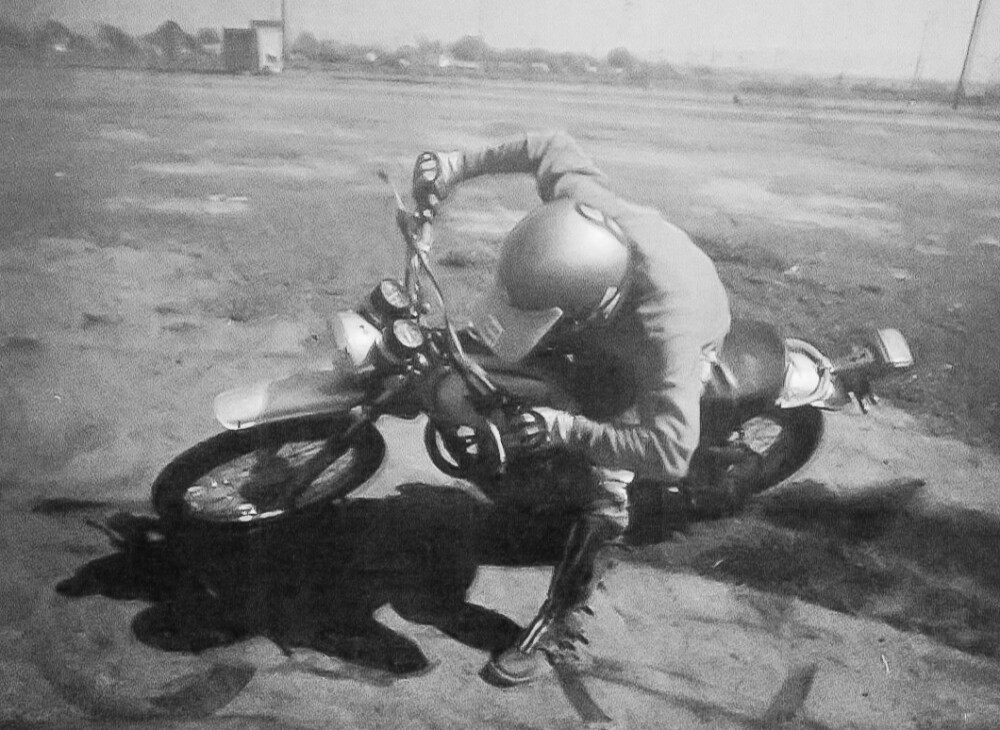
It is unusual to read a 1970s motorcycle test and find nary a complaint, but this one came pretty darn close. On the motocross track, the gearing was found to be a bit too tall, and the rear shocks “need help.” But the writer added that the Honda wasn’t supposed to be a motocross racer anyhow. The Honda 250 Elsinore would answer that call about a year later.
Two-stroke play bikes, like many other cool things of the early ’70s, all but disappeared. AM radio became the frequency for zealots and fanatics of all sorts, the catalytic converter buried muscle cars in 1975, and rock music died in 1976 when Michael McDonald joined The Doobie Brothers. Meanwhile, Honda’s line of four-stroke play bikes has changed its prefixes over the years but is still going strong 55 years later. That’s a long train running, indeed! CN
Click here to read the Archives Column in the Cycle News Digital Edition Magazine.
Subscribe to six decades of Cycle News Archive issues