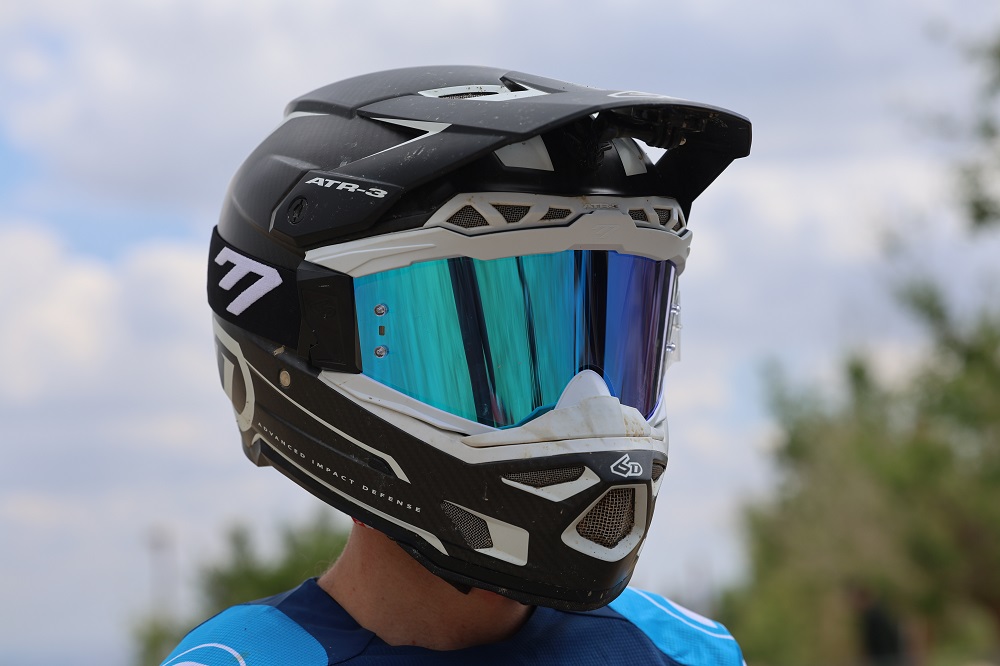
The new Max goggles work exclusively with the 6D ATR-3 and new ATR-3X helmets. 6D says the weakness for any helmet is the eyeport, whether that’s from a safety standpoint and letting roost in or an overall vision issue, as the field of view is constrained to the size of the goggles’ frame. This new solution covers the entire eyeport and increases the viewing area by a claimed 87 percent. It also uses the helmet as a support and doesn’t sit on the rider’s face aside from the nose piece. A shatterproof polycarbonate lens is CNC-cut and available in multiple colors (clear, rose, mirror blue, dark smoke) with full tear-off and roll-off compatibility. The goggles are offered in two models, the Max R for motocross riding and the Max X for enduro riding. The X comes with a lever on the side of the lens that is used to lift the goggles up for more venting during slow-speed conditions. Both goggles come with a standard 44mm silicone strap and retail for $189 (in colors) or $169 (in clear).
Lowdown | 6D Max Goggles
Standout Feature: Larger field of view makes it easier to see things on the track
List Price:
$189 (colors) or $169 (clear)
 Larger field of view
Less pressure on the face
Better protection from roost
 Quieter than traditional goggles
Looks different than standard goggles
Only fits newer 6D helmets
Tricky to put on
Rider Analysis | 6D Max Goggles
At first glance, these goggles are definitely different. The larger shape makes it look more like an adventure shield rather than motocross goggles, but that’s the idea. Putting it on requires the rider to shimmy the goggles’ nose guard under the helmet’s nose guard to achieve a proper fit. Once in place, the top of the goggles seals to the top of the helmet, and you pull the strap over as normal. As mentioned, the frame of the goggles rests on the helmet rather than the rider’s face, and the top seal means there’s no foam pressed against the brow.
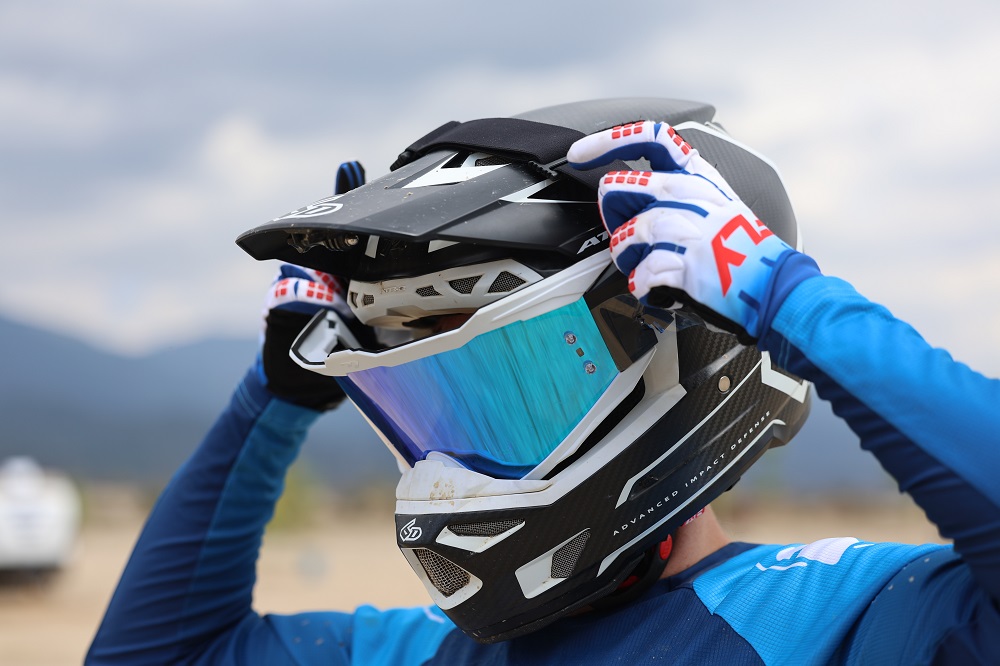
Before hitting the track, you instantly notice the larger field of view. The frame, nose piece, and tear-off pins are not visible whatsoever, and peripheral vision is greatly increased. I could see much more on either side of the helmet and didn’t need to move my head as much to catch something that would normally be out of view. If you’ve ever worn a street or ADV helmet, you know the feeling. Straightaway, it feels like an IMAX movie screen rather than a puny iPhone screen.
Another immediate takeaway was the lack of pressure on the face. Since the goggles sit on the cheek bars of the helmet, there’s nothing from the goggles pressing against your face. I personally like my goggles to fit tightly, but I never paid much attention to how distracting this can be. You literally have something pressed against your cheeks! The Max goggles are certainly more comfortable in that sense, and without the aggressive foam squeezing my face, I did feel a bit calmer inside the lid.
The larger field of view is by far the goggles’ best attribute. It may seem minor at first, but you simply have fewer distractions with a larger lens up front. Again, I noticed more movement from my eyes and less from my head as I navigated the course at Glen Helen. I could keep my body position locked on the bike and look through the corner without having to crane my neck. This became more apparent coming down the hills, as you look upward and aren’t blocked by a traditional frame. The goggles take roost like a true shield, and it’s comforting to have extra facial protection even when your natural instinct is to look away.
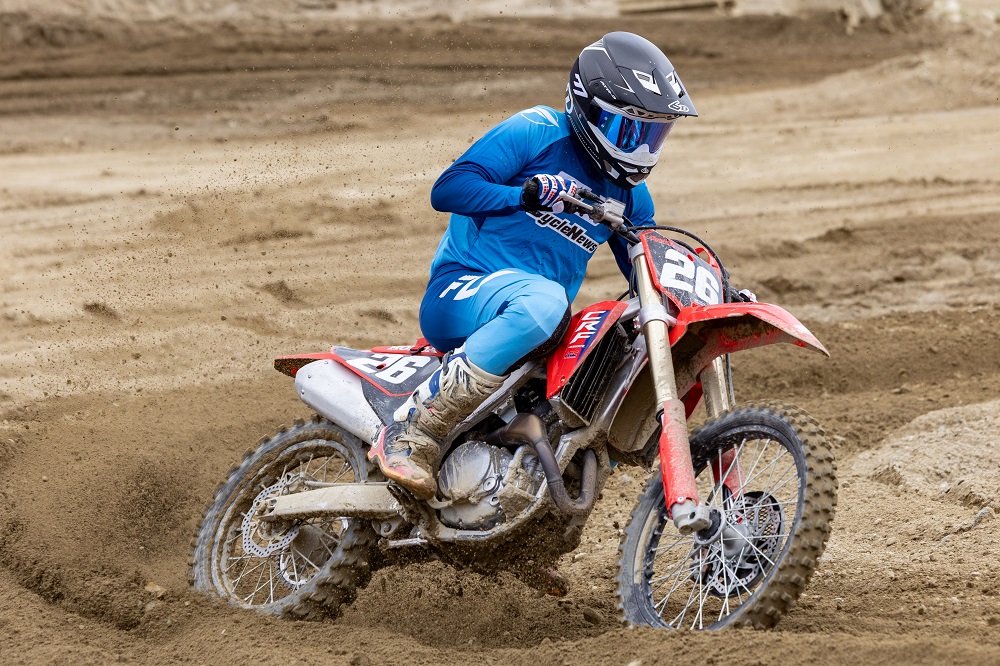
I went back-to-back with a set of Scott Prospect goggles to really tell the difference. The Scotts have become one of my favorites as of late for their larger lens and wide peripherals. I quickly noticed how fast sweat built up in the top foam, something you don’t feel at all in the Max goggles. The Max doesn’t prevent the sweat, but it also doesn’t saturate the foam. Instead, you’ll find droplets running down your face like a regular street or ADV helmet. Riding in the standard goggles was noticeably louder, too, as the seal on the Max goggles does a good job of cutting down wind and bike sounds. So far, the Max goggles have been doing a good job keeping dust out of the eyes, about the same as any high-quality traditional goggles with a good fit.
They also make tear-offs for the Max goggles.
After a few motos wearing the Max goggles, my only real complaint was not being able to touch my face without removing the goggles. I like to adjust my eyelids after I put on my goggles (weird, I know), but I couldn’t do so once the Max goggles were on. Also, scratching an itch or taking a pre-race sip of water is virtually impossible unless you want to take the goggles off completely.
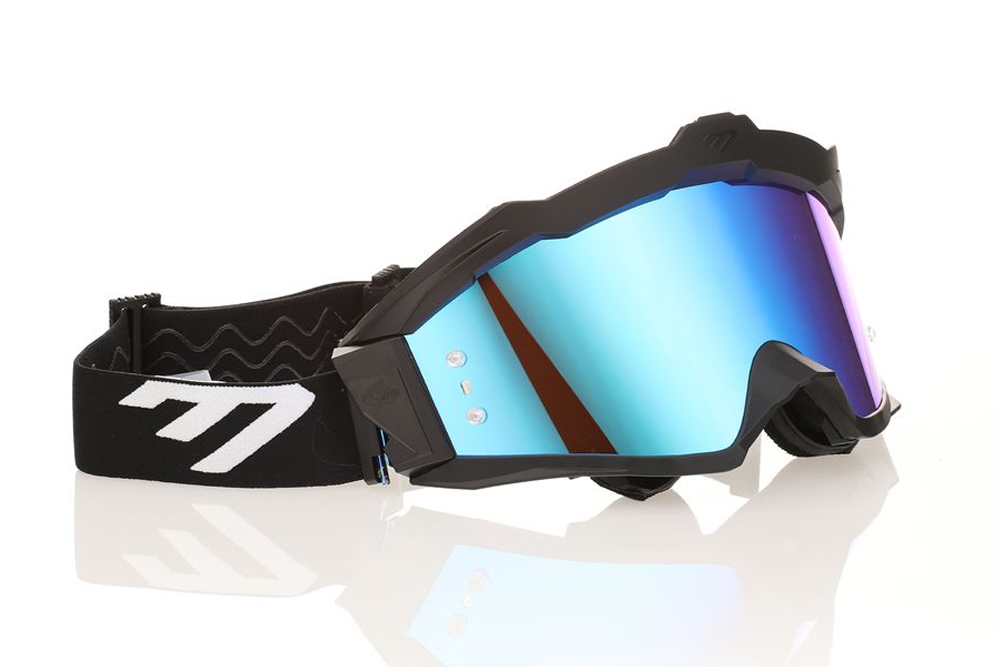
Goggles like this seem out of this world at first glance, but once you ride in it, the advantages are apparent. A larger lens makes it easier to see things on the track, and the full seal means less room for rocks and roost to get in. If you avidly wear 6D’s helmets, this is a product you’re going to want to get a look at.
For more information, visit www.6dhelmets.com
Click here to read the 6D Max Goggles Product Review in the Cycle News Digital Edition Magazine.