Cycle News Archives
COLUMN
Boise Breakthrough
By Kent Taylor
Motocross historians don’t need to be reminded of the lopsided score of the MX game in the early ’70s. America was zero and Europe everything, with the masters schooling the wannabes on most Sundays—with one glaring exception on June 25, 1972. In the Fourth of July issue that year, Cycle News reported that on day in June in Boise, Idaho, Americans (briefly) won their independence from the fast foreigners, thanks to a dominating performance by a youngster named Gary Jones.
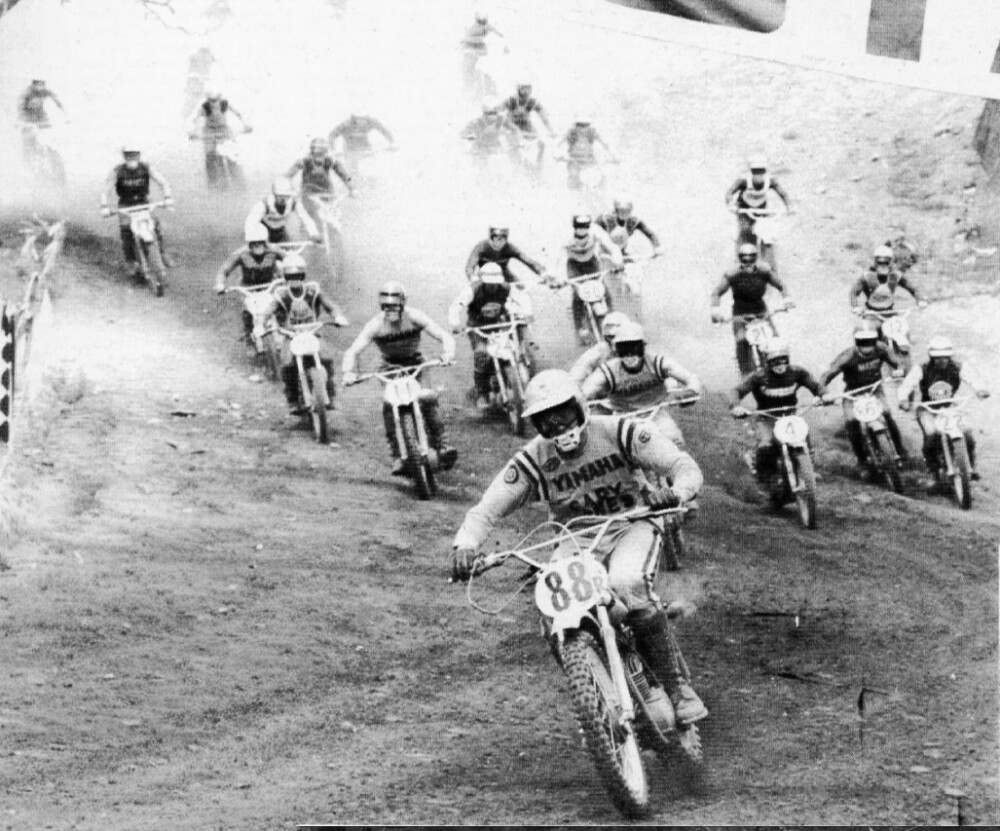
“It’s somewhat difficult to write a race report when there is no contest for the number one spot,” wrote CN in its coverage of the race. “There were dices and personal duels, certainly, but they weren’t for first place. Jones had an absolute lock on that, so anything else could have only been for second place; essentially, this whole report could have been written with two names, Gary Jones and Yamaha.”
Not that there weren’t lots of other names, both American and European. Four-time World Champion Torsten Hallman was there on a Yamaha, along with Dave Bickers, Arne Kring and Arne Lindfors. Jones’ fellow Americans, like Brad Lackey, Jim Pomeroy, Jim Weinert, Bob Grossi and Gary Semics, were also in the field. Even a couple of half-and-half racers, Finland’s Peter Lamppu and Sweden’s Gunnar Lindstrom, were transplanted Europeans living and racing in America.
Jones rode a factory-sponsored Yamaha, a bike he and his father re-engineered in 1971. When they finished their R&D, they crated the motorcycle and sent it to Japan. The Japanese took the Jones family’s project and turned it into the works bike of 1972, all the way down to the famous black strap holding the fuel tank in place, which was not really part of the Joneses’ design. When the family shipped the prototype machine to Japan, they had simply strapped the tank to the bike for easier transport. Once in Japan, Yamaha engineers apparently assumed this was a go-fast trick, and when Gary’s (and brother DeWayne’s) new bikes arrived in ’72, the tank strap was standard equipment.
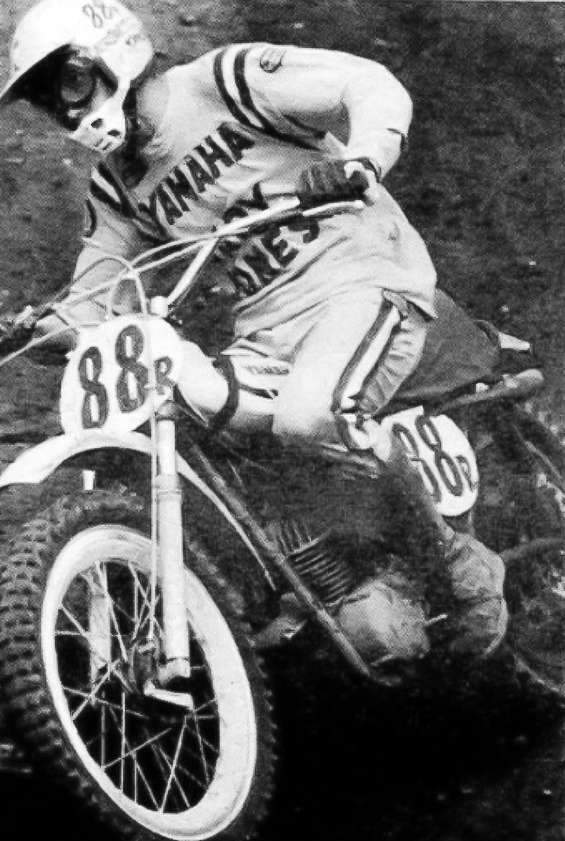
When the (forward-falling) gate dropped, it was Gary Jones out in front in moto one, moto two and, yep, moto three. His first-moto margin of victory was a whopping 40 seconds, enough time to not only give Miss Dolly Diffbrake a sloppy smooch but also get her phone number and maybe even show her his etchings. Each moto was the same story, with eventual second-place finisher Hallman lamenting the progress of the young American star.
“Last year,” Hallman moaned, “I was lapping this kid. Today, I can’t even get close to him.”
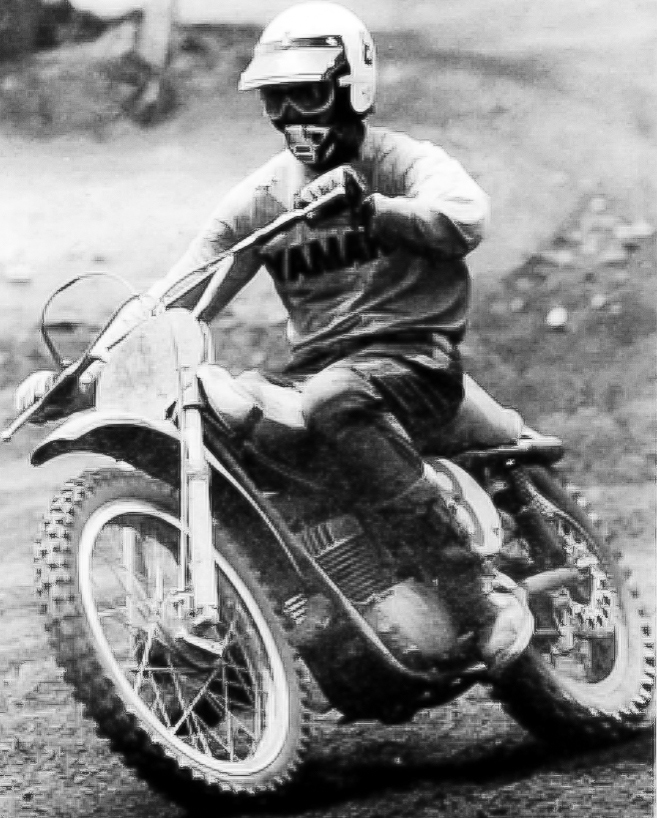
In addition to the kisses from Miss Diffbrake (the pretty lady hawking a gadget that connected a motorcycle’s front brake to its rear brake), Jones also picked up a cool extra $100 for being top American. He was awarded a bottle of champagne for each moto win, the last one shared with his crew.
Cycle News’ headline for this story was “The Year of the Americans.” With the gift of hindsight, we know that it would be a full year before an American would win another major event against European riders and one full decade before California’s Brad Lackey became America’s first World Motocross Champion. A bit optimistic on that header, but no one can question that June 25, 1972, was certainly “The Day of Gary Jones.” CN
Click here to read the Archives Column in the Cycle News Digital Edition Magazine.
Subscribe to more than six decades of Cycle News Archive issues