Cycle News Archives
COLUMN
More Than a Racer
By Kent Taylor
You would know their names, these great racers of the 1970s. They were once so fast that they made racing look easy, which is what professionals do. These days, however, these long-retired champions move with greater caution. No longer OEM, many are now modified with replacement knees, shoulders and hips. Some are learning how to listen again with cochlear implants, while others have had prostate-cancer scares, beset with Parkinson’s and other plagues that are visited upon men after seven decades of living in an Earth suit that comes complete with its own hidden expiration date. These motorcycling racing legends of the ’70s (and ’80s), who were so very different from us then, are so very similar to some of us now.
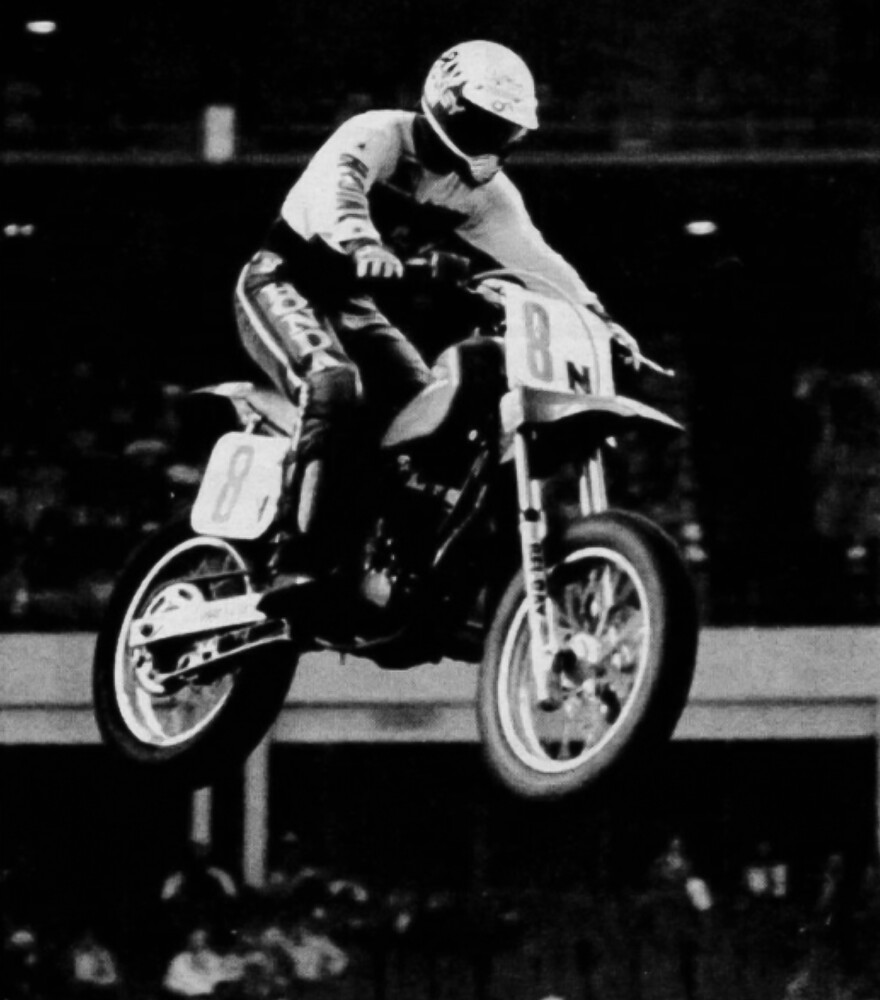
These are the things we now expect to see in life, so when former Team Honda star Steve Wise died last week after suffering a heart attack, the news was another painful reminder that nothing hits faster or harder than the hands of time. We face the reality that the people who shaped our world of motorcycle racing are slowly leaving us.
The sport of motocross was just a pup in the 1970s, which is when Steve Wise was coming of age. Clothing contracts? Private practice tracks? “We were all just regular kids who found a passion,” recalls former Team Honda rider Warren Reid. “Everyone of us—we were just kids who loved to ride dirt bikes. We had that spark.”
Wise would become one of Reid’s closest friends on the MX circuit. Separated by thousands of miles, the Texan, Wise, and the Californian, Reid, were never strangers.
“We all read Cycle News,” Reid says, “so even though we were in California, we knew who the fast racers in the other states were. We knew about Mark Barnett in the Midwest, and we knew about this kid from Texas named Steve Wise. He was easily the fastest guy on a 125 from that state. No one else was even close. When we finally met, we became close friends before we even were teammates. And after that, we roomed together all of the time.”
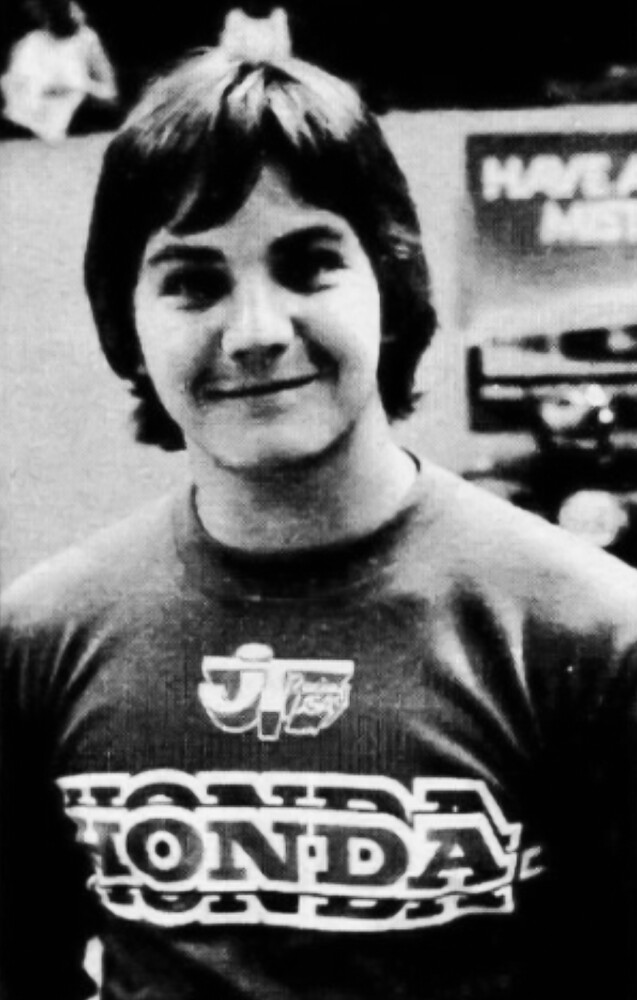
Motocross in America was, from the beginning, a game played by the “haves,” those riders who had the best motorcycles. Bringing up the rear were the “have-nots,” the privateers who helped fill the gate with their ordinary bikes. They were faces in the crowd, walk-ons in a movie background playing bit parts until that day when a scene-stealing Texan named Steve Wise came along and left every factory racer and his hand-built works bike in the dust. It was the Fourth of July, 1976, and while many Americans were celebrating America’s Bicentennial, the country’s top 125cc motocross racers were in Keyser’s Ridge, Maryland, about a hundred miles away from where the Revolutionary War was declared officially over and done. The battle for the AMA’s National Championship was still raging, however, with reigning champion Marty Smith, Yamaha’s Bob Hannah and Suzuki teamster Billy Grossi dicing for the title. Riding a Honda CR125R, Wise scored an unbeatable 2-1 moto score that day at Keyser’s Ridge, topping Smith and Grossi and becoming the first-ever privateer to win an AMA National.
“Because of being multi-talented, Steve touched a lot of lives as a racer. But the lives he touched in his ministry dwarfed that number. That’s the man, not the racer. To have all of that, in one man, is very rare.” ~ Wise’s former Honda teammate, Warren Reid.
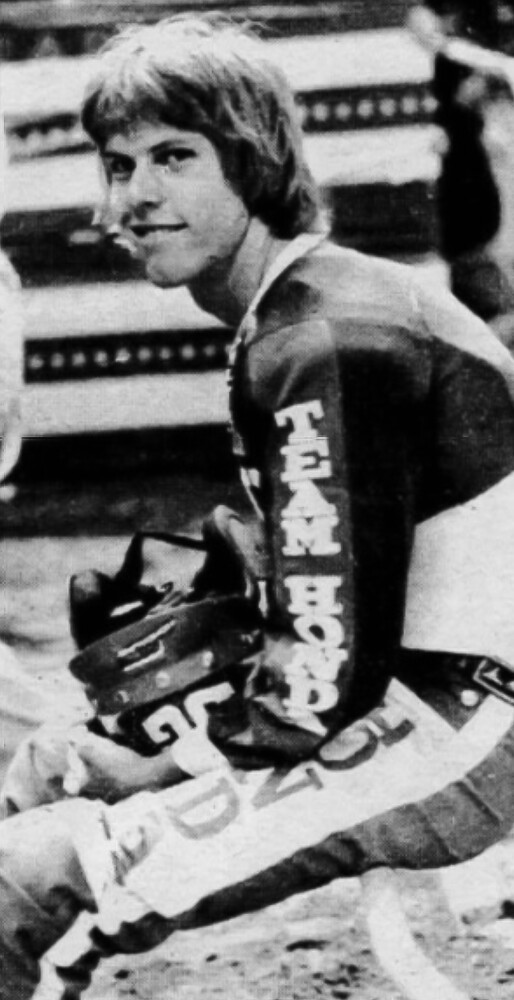
Wise eventually earned his way to a Team Honda ride and would win more races, including the 1979 New Orleans Supercross and a 250cc National at a muddy RedBud in 1980. After winning the Superbikers event (twice), he famously moved on to the AMA TT and road-race circuit in 1982. Still with Team Honda, he ruffled many a Class C feather when he challenged dirt track’s established stars at the Houston Astrodome TT, his motocross technique sending him sailing over his competitors’ heads on the TT’s jump. His dive-deep, brake-hard style eventually led to a rear brake failure, dropping him to a still-impressive third place in his first-ever TT race. When confronted about his seemingly rough riding style, he was defiant.
“If they want to play tiddlywinks, then let’s play tiddlywinks. If they want to race,” he said, “then let’s race.”
“He was tenacious,” Reid says of his friend. “That was why he was successful. Some guys, like Marty Tripes, were naturally smooth, and some guys just willed their way to the front of the pack. That tenacity became their style. That was Steve.”
His road racing career began a few weeks later at Daytona, where it became apparent that Wise’s two-wheeled skills were going to translate to any surface, riding any motorcycle. He would finish in the top 10 in both the Superbike 100 and the Daytona 200 and would later win an AMA National at Mid-Ohio. He contended for the championship before two crashes in 1983, one at Road Atlanta and another at Laguna Seca, brought about the end of his career.
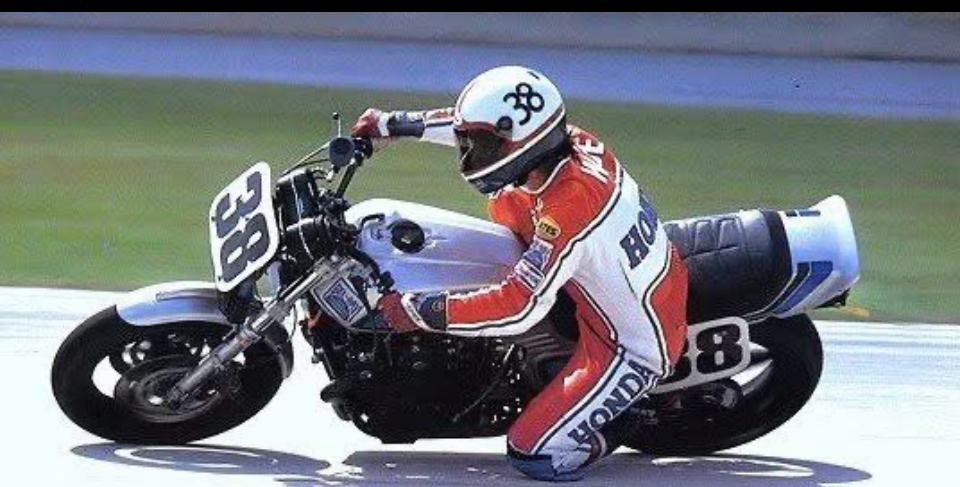
“He had been involved in some multi-bike pileups,” said Reid. “That happens in every form of racing. But in road racing, it happens when you are going 150 miles per hour. It scared him,” says Reid. “It scared him badly.”
Wise, who had undergone a spiritual transformation a few years earlier, hung up his leathers, attended Bible college, and founded Steve Wise Ministries, which continued until his death on January 15th. He was 68 years old.
“I don’t think it [quitting] was hard for him. He had a long career at that point. It was time to move on. Steve had his faith, which is something that all racers have, whether religious or in themselves. When Steve was born again, his faith was already strong. He never wavered from that. Not once. His intensity—everyone could see that change. It went from faith in his abilities to faith in God. That was different. But his personality did not change.”
“Because of being multi-talented, Steve touched a lot of lives as a racer. But the lives he touched in his ministry dwarfed that number. That’s the man, not the racer. To have all of that, in one man, is very rare.” CN
Click here to read the Archives Column in the Cycle News Digital Edition Magazine.
Subscribe to six decades of Cycle News Archive issues