Cycle News Back Page Column | Opinion
Too Big To Fail?
By Don Amador
It is not often that I am at a loss for words when it comes to making recommendations on the U.S. Forest Service’s planning efforts that affect public access to high-quality trail-based recreation opportunities and related forest-management programs. However, over the last three to four weeks in preparing to submit a formal public comment on the draft Environmental Impact Statement (DEIS) for the Northwest Forest Plan (NWFP) amendment by the March 17, 2025 deadline, I am having trouble articulating my ongoing concerns about the plan’s truncated timeline and how it failed to analyze—as a significant issue—the Recreation/Transportation Road and Trail System.
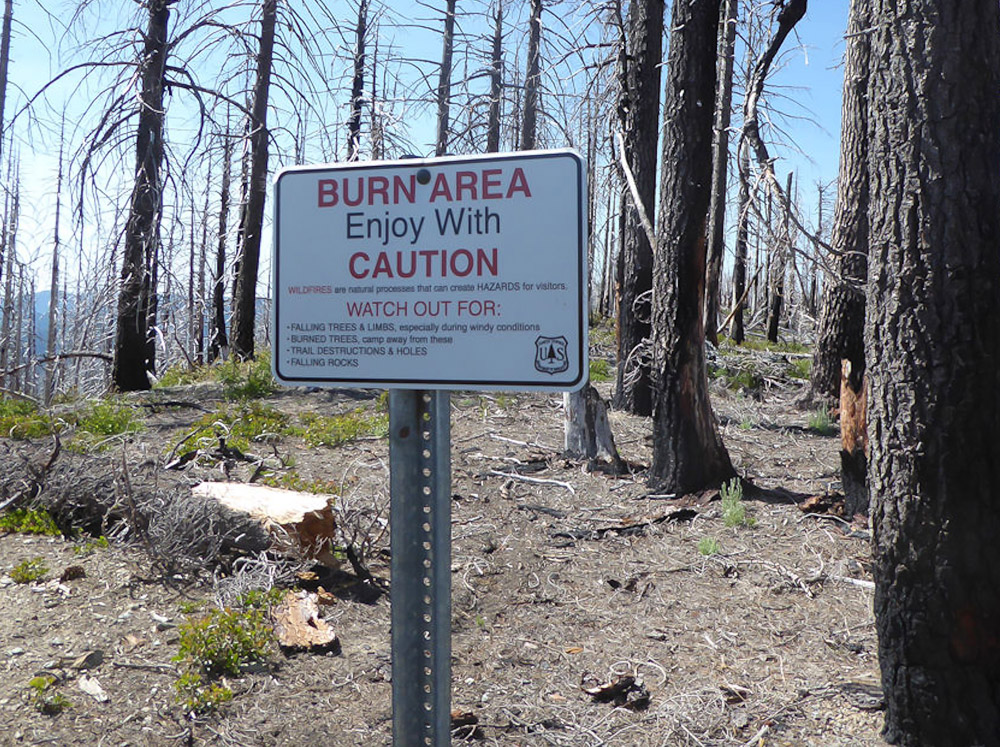
I am also trying to figure out if that omission aligns with recent statements from new appointees U.S. Secretary of Agriculture Brooke Rollins and Forest Service Chief of the U.S. Department of Agriculture (USDA) Forest Service Tom Shultz. “Working with our partners, we will actively manage national forests and grasslands, increase opportunities for outdoor recreation, and suppress wildfires with all available resources, emphasizing safety and the importance of protecting resource values,” Shultz said in a press release.
I continue to question the practical value of this multi-state regional planning document—which affects the 19.4 million acres of federally managed forests in Northern California, Oregon and Washington—given the critical staff shortages and other factors that severely limit the agency from implementing current on-the-ground forest health and recreation projects.
After attending a Forest Service Planning Rule public meeting in 2014, I noted that the agency had received a lot of input regarding developed recreation and travel management, and that a portion of the planning efforts should be enhanced. In addition, there seemed to be consensus that planning efforts should be on-the-ground product-oriented instead of the “planning being the product.”
Just as with the Planning Rule meeting in 2014, the current NWFP amendment process had robust participation by national and regional motorized and non-motorized recreation groups—but it failed to follow the example of recognizing that developed recreation and transportation are important factors in programmatic land-management-planning efforts.
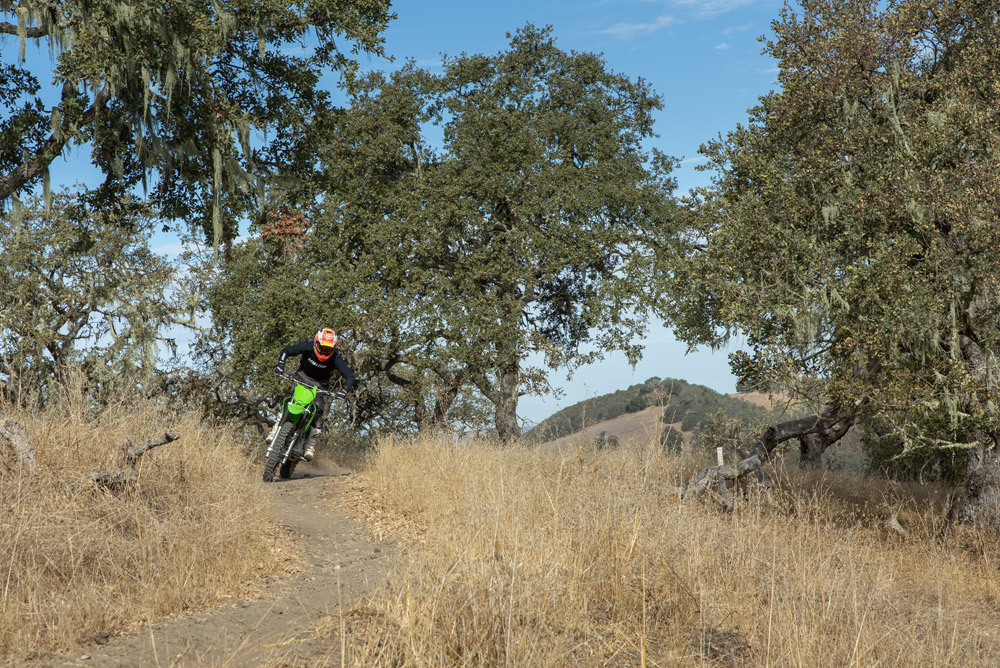
I believe the NWFP amendment process continues to face some serious hurdles or challenges due to loss of institutional knowledge and operational capacity because of the ever-growing number of retirements, endless litigation, unfilled staff positions, and impacts to relationships because of the agency’s “move to promote” human resources’ plan, conflicting regulations that prevent substantive fire/fuel treatments, and most recently the mass layoffs of its boots-on-the-ground workforce.
Despite the hard work of the NWFP Amendment team, the trail community would be naïve to overlook the fact that good words, and even good intentions, have too often failed to penetrate the bureaucracy and reach the ground, particularly for the recreation enthusiast.
Of the four proposed action Alternatives laid out in the DEIS document, I think at this time the options are to either recommend the agency create a hybrid Alternative that incorporates best-management practices from each, including the recreation tenets in Alternative B. Or pursue a supplement to the DEIS that includes recreation/transportation as a significant issue.
As a last resort, the final option would be to pull the plug on the entire effort that, in my opinion, would be wasting a lot of taxpayer dollars and discounting the hard work put in by the agency, RAC members, and the public.
The one thing I am sure of is that recreation partners must remain engaged and continue to occupy a seat at the table for the foreseeable future. Sitting on the sideline is not an option. CN
Don Amador has been in the trail advocacy and recreation management profession for over 34 years. Don is President of Quiet Warrior Racing LLC. Don serves as the Western States Representative for the Motorcycle Industry Council. Don is Past President/CEO and current board member of the Post Wildfire OHV Recovery Alliance. Don served as a contractor to the BlueRibbon Coalition from 1996 until June 2018. Don served on the California Off-Highway Motor Vehicle Recreation Commission from 1994-2000. He has won numerous awards including being a 2016 Inductee into the Off-Road Motorsports Hall of Fame and the 2018 Friend of the AMA Award. Don served as the government affairs lead for AMA District 36 in Northern California from 2019-2023. Don is a Co-Founder and current Core-Team member on FireScape Mendocino. Don served as an AD Driver for the FS North Zone Fire Cache during the 2022, 2023, and 2024 wildfire seasons. Don is a contributor to Dealernews Magazine. Don writes from his home in Cottonwood, California.
Click here to read the Back Page Column in the Cycle News Digital Edition Magazine.

